Death of young protest detainee in East Java raises concerns over Indonesia’s justice and prison system
The death of a 21-year-old protest detainee at Medaeng Remand Centre has prompted Amnesty International to call for an independent investigation, warning of systemic failures and a growing humanitarian crisis within Indonesia’s detention system.
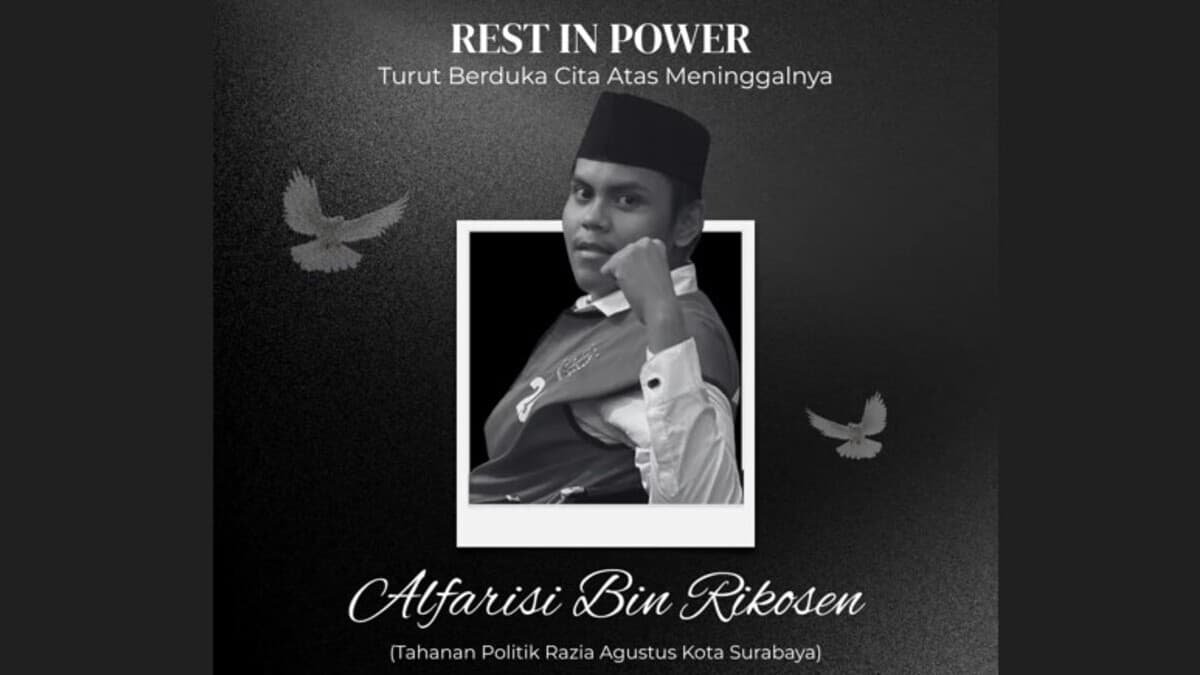
- A 21-year-old protest detainee died in custody in East Java before his trial concluded.
- Amnesty International has called for an independent investigation, citing possible neglect and rights violations.
- The case has intensified scrutiny of Indonesia’s detention practices following mass arrests linked to 2025 protests.
SURABAYA, INDONESIA: The death of a young protest detainee in East Java has triggered renewed scrutiny of Indonesia’s criminal justice and detention system, with Amnesty International calling for an independent and transparent investigation and warning of a wider humanitarian crisis behind bars.
Alfarisi bin Rikosen, 21, died on 30 December 2025 at the Class I Medaeng Remand Centre in Sidoarjo while awaiting trial over his alleged involvement in mass demonstrations in Surabaya in August 2025.
He had not yet received a final and binding court verdict and remained fully under state custody at the time of his death.
Responding to the case, Usman Hamid, Executive Director of Amnesty International Indonesia, said Alfarisi’s death should be seen as a grave warning sign of deep structural failures within Indonesia’s legal and detention system.
“The death of Alfarisi at the Class I Medaeng Remand Centre is a stark warning of a humanitarian crisis within Indonesia’s legal and judicial system,” Usman said in a statement.
“Having died while held as a detained defendant, Alfarisi should never have lost his life while under the full custody of the state. This means the state bears responsibility for his death.”
Allegations of neglect and violations of international standards
Amnesty International highlighted reports that Alfarisi’s physical and psychological condition deteriorated severely during his detention.
According to the organisation, he experienced drastic weight loss—estimated at 30 to 40 kilograms—alongside signs of acute psychological distress.
Shortly before his death, fellow detainees reportedly witnessed him suffering seizures.
Usman Hamid said these conditions point to serious violations of Indonesia’s obligations under international human rights law, including the right to life, the right to be free from inhuman or degrading treatment, and the right to health for all detainees.
“This neglect contravenes the Nelson Mandela Rules, the United Nations’ minimum standards for the treatment of prisoners, which require states to ensure both physical and mental healthcare for people deprived of their liberty,” he said.
Authorities have claimed that Alfarisi died from a respiratory illness and suggested he had a prior history of seizures.
However, Amnesty noted that there was no clear record of any serious medical condition before his detention.
The organisation said this discrepancy further strengthens suspicions of institutional negligence and a deliberate disregard for detainee welfare.
Family rejects official claims
The official explanation has been disputed by Alfarisi’s family.
His elder sister, Khosiah, has publicly rejected claims that her brother had a history of seizures, saying she had lived with him since childhood and knew his medical condition well.
She also alleged that Alfarisi had shown signs of physical abuse during earlier detention at the Surabaya Metropolitan Police facility, including visible marks on his chest, claims that have intensified calls for a broader investigation into his treatment in custody.
Alfarisi was first arrested at his home on 9 September 2025 and initially detained at the Surabaya Metropolitan Police before being transferred to the Medaeng Remand Centre.
On 19 November, the Surabaya District Court formally named him a defendant, charging him under Emergency Law No. 12 of 1951 and provisions of the Criminal Code related to firearms, explosives and public security.
His trial was still ongoing at the time of his death, with a witness hearing scheduled for 5 January 2026.
Linked to wider repression after protests
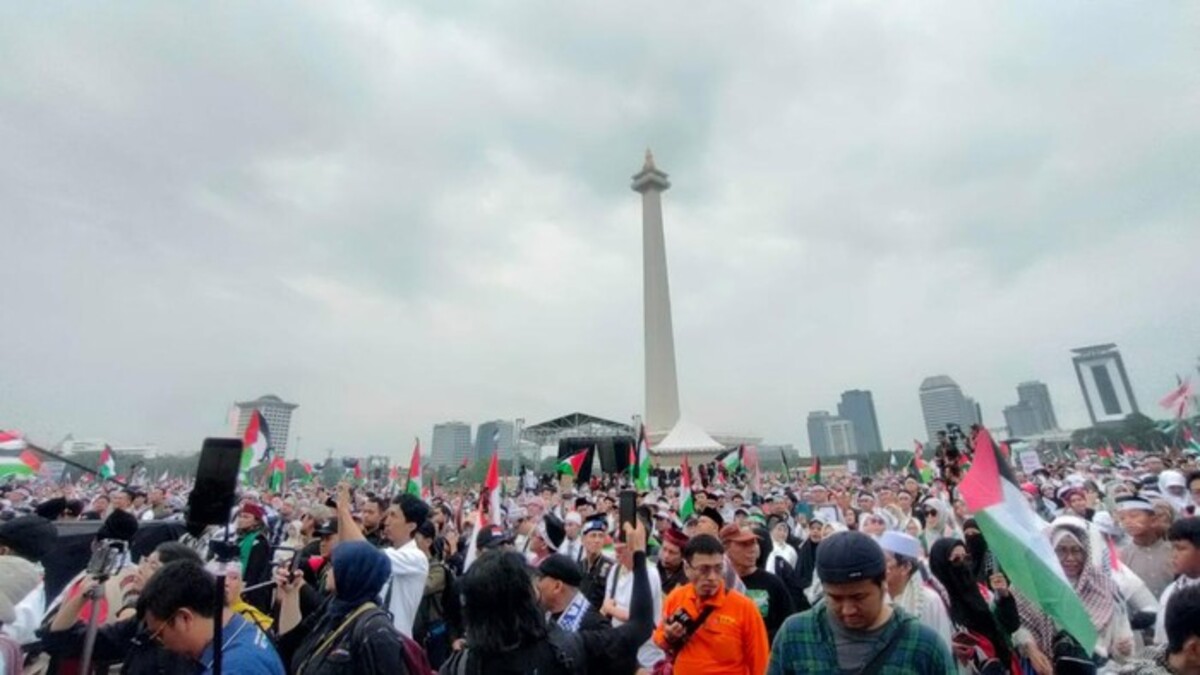
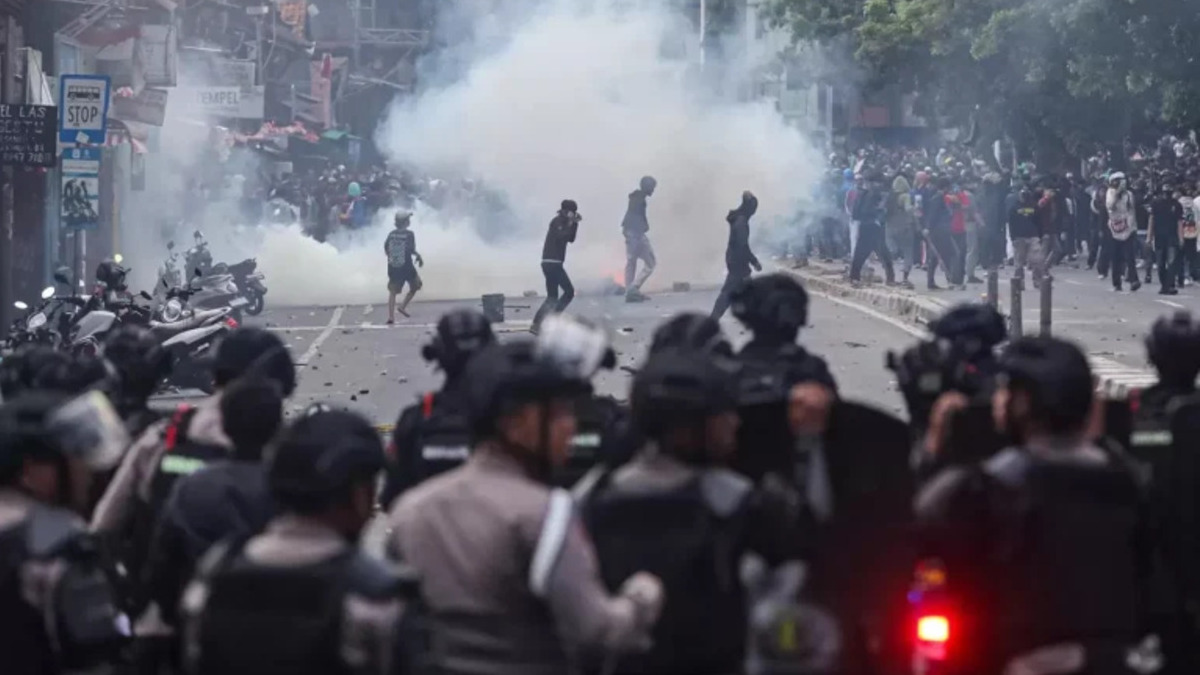
Amnesty International stressed that Alfarisi’s death cannot be separated from the broader political context following the August 2025 protests, which were met with sweeping arrests and criminal charges against civilians and activists.
Usman Hamid pointed to what he described as a “painful irony” in law enforcement practices: while protesters and activists such as Laras Faizati, Delpedro Marhaen and Wawan Hermawan were swiftly prosecuted, accountability for alleged abuses by security forces has been largely absent.
Prosecutors have sought a one-year prison sentence for Laras Faizati for expressing anger over the death of Affan Kurniawan, who was run over by a Brimob tactical vehicle during the protests.
Amnesty said Laras’s statement constituted protected expression under Indonesia’s Constitution and the International Covenant on Civil and Political Rights (ICCPR).
“Those who expressed themselves peacefully have been criminalised, while the officer who ran over Affan has yet to face criminal accountability,” Usman said.
“This is a clear example of impunity for law enforcement officials. The state is openly displaying blatant injustice.”
Calls for independent investigation and accountability
Amnesty International, along with Indonesian rights groups including KontraS Surabaya, has called on the government to establish an independent investigative team with full access to information, detention records and medical reports related to Alfarisi’s death.
The organisation said a death in custody before the conclusion of a trial represents one of the most serious failures of state responsibility and demands urgent accountability.
“An independent and transparent investigation is absolutely essential,” Usman Hamid said.
“Without a comprehensive evaluation of detainees’ health conditions and an end to the criminalisation of activists, Indonesia’s legal and detention system will continue to function as a ‘mass silencing arena’ for justice and human rights.”