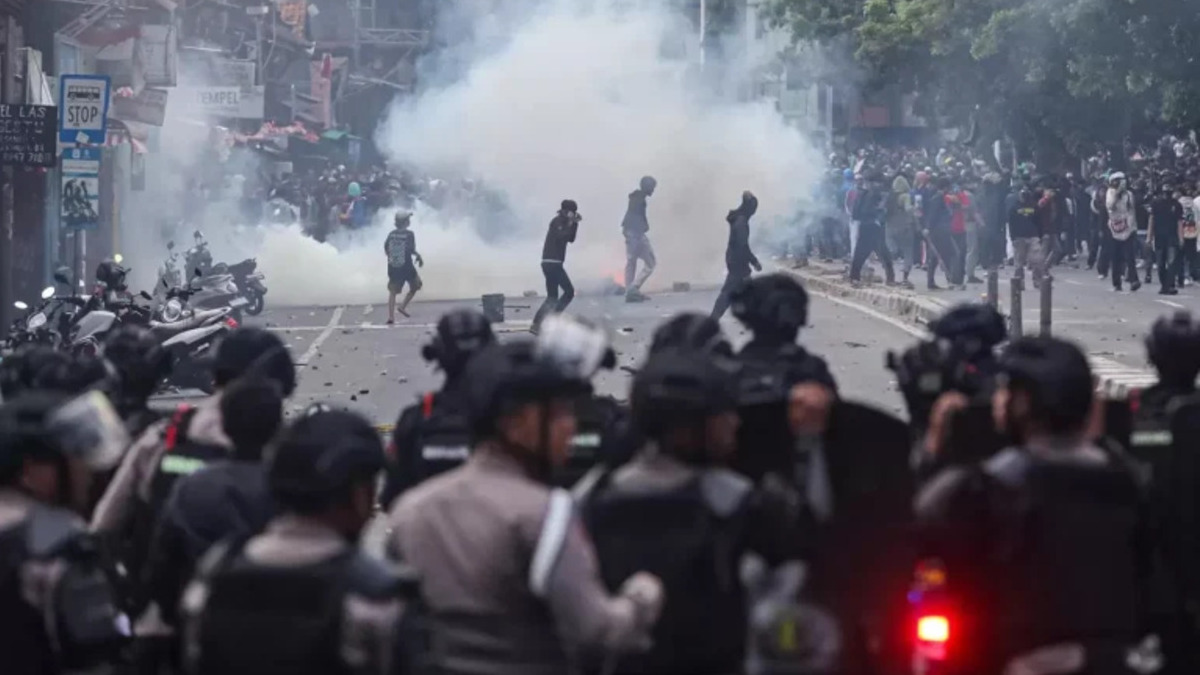
Indonesia environment group warns waste-to-energy rush could worsen waste crisis and harm communities
Indonesia’s largest environmental group has criticised the government’s accelerated Waste-to-Energy programme, warning it could entrench pollution, fiscal risk and social injustice rather than solving the country’s waste crisis.
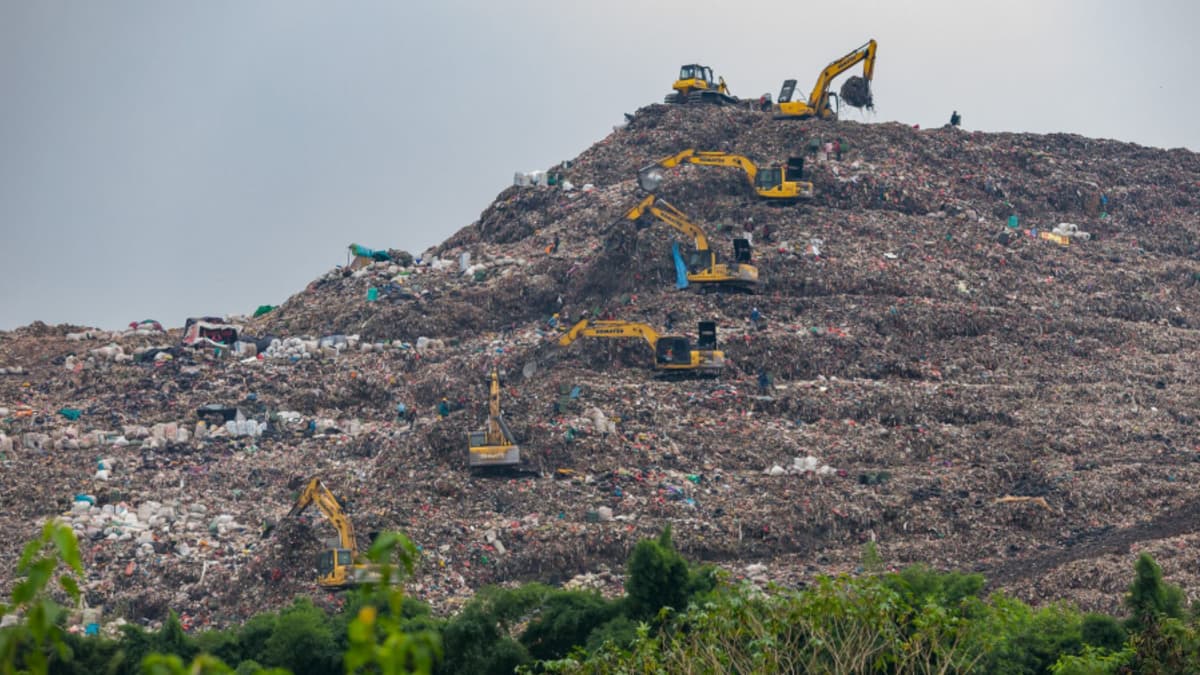
- WALHI has rejected the government’s accelerated Waste-to-Energy push, warning it risks worsening environmental and social harms.
- The group says the policy contradicts waste management law and prioritises capital-intensive technology over waste reduction.
- The government argues WtE is essential to meet its 2029 waste management targets and attract green investment.
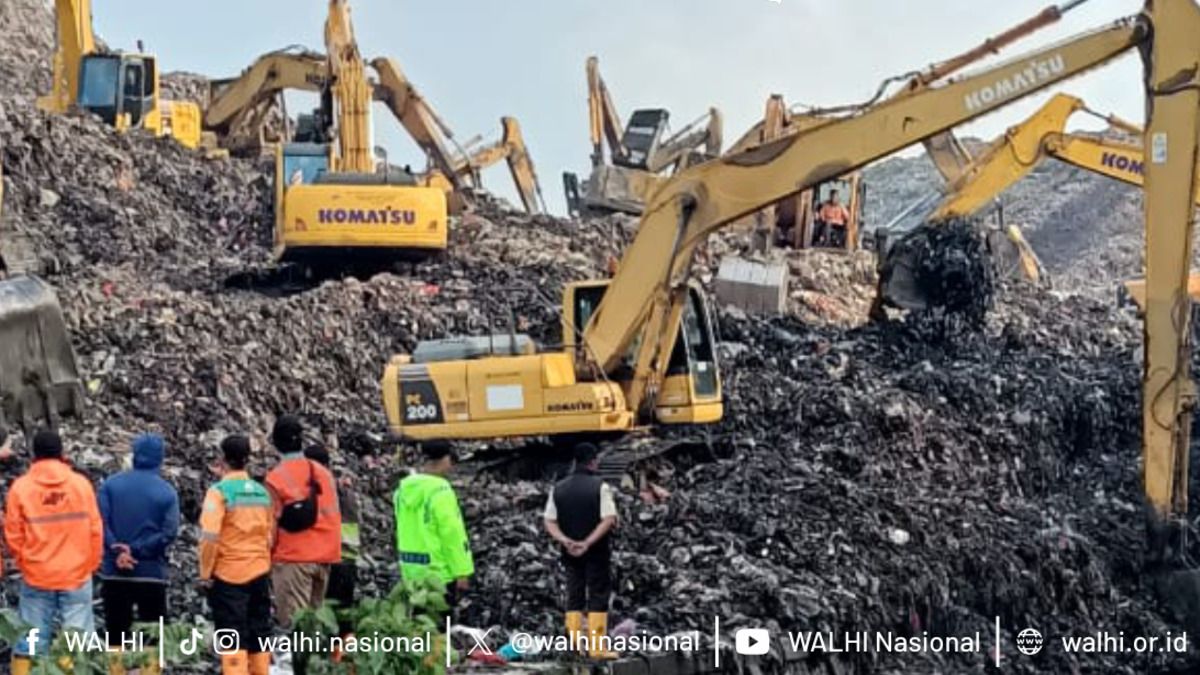
The Indonesian Forum for the Environment (WALHI) has rejected the government’s accelerated push to develop Waste-to-Energy (WtE) power plants, warning that the policy risks worsening Indonesia’s waste crisis and undermining environmental justice rather than delivering a sustainable solution.
In a press release issued on 8 January 2026, WALHI said the rapid expansion of WtE facilities reflects the state’s failure to build a comprehensive waste management system that prioritises waste reduction, public health and environmental protection.
Instead, the organisation argued, the government is leaning heavily on large-scale, centralised technologies that carry long-term ecological, social and fiscal risks.
Policy roots and government push
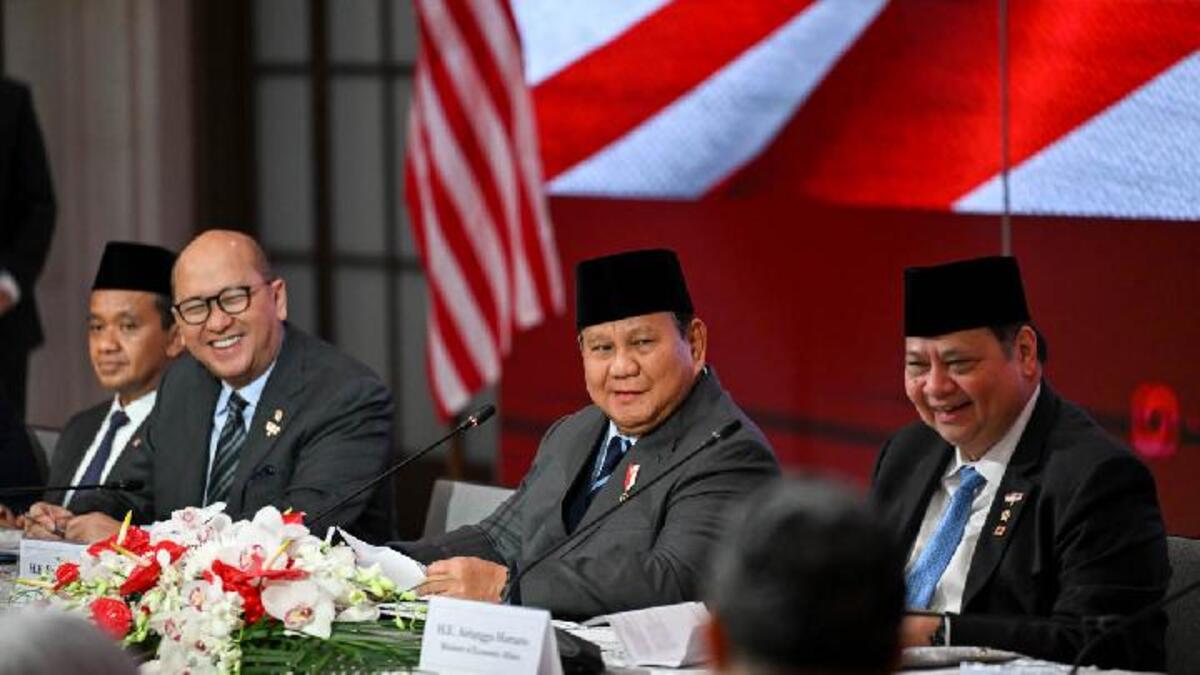
The controversy centres on Presidential Regulation No. 109 of 2025, signed by President Prabowo Subianto, which mandates the acceleration of WtE development as part of a national strategy to achieve 100 per cent managed waste by 2029.
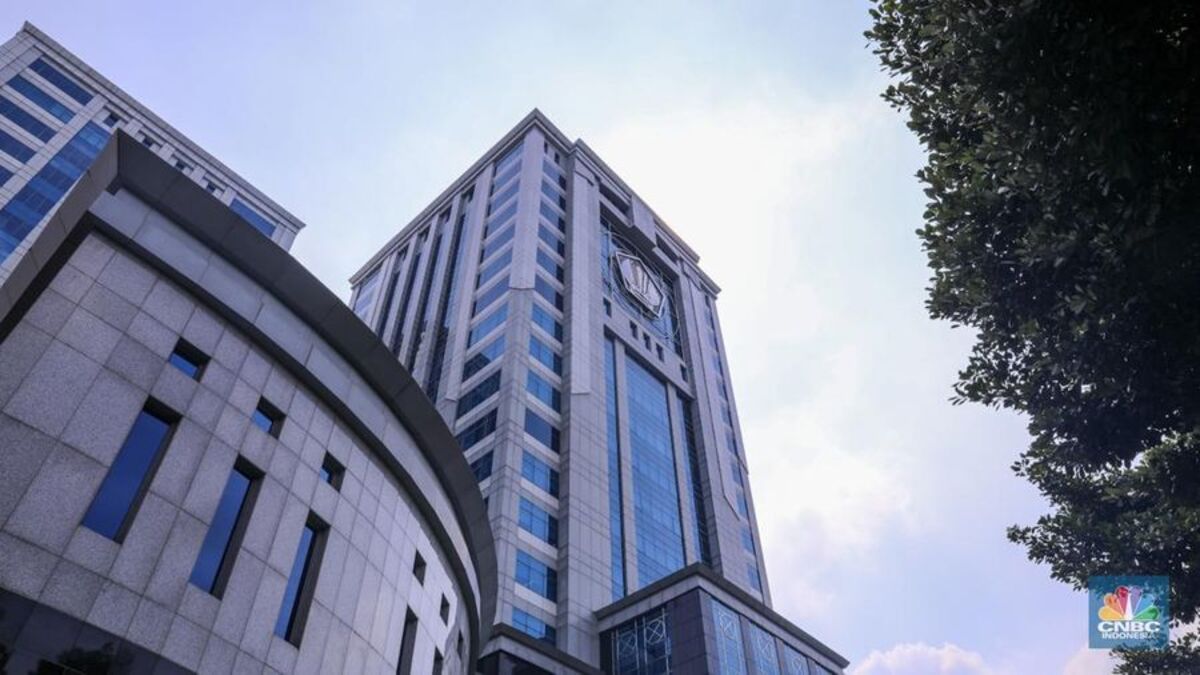
The policy is overseen by the Ministry of Environment and Environmental Control Agency (KLH/BPLH) together with the Coordinating Ministry for Food Affairs.
In December 2025, the Ministry of Environment formally announced the acceleration of the WtE programme, framing it as a national waste management “revolution”.
The ministry designated multiple agglomeration-based regions as priority sites and classified WtE projects as nationally strategic downstream initiatives, with groundbreakings scheduled through to March 2026.
According to the government, the facilities are intended to address chronic waste accumulation in dozens of cities and regencies while simultaneously producing renewable energy and attracting green investment.
WALHI’s critique of fast-tracked development
WALHI said the decision to fast-track WtE projects reflects a policy bias towards capital-intensive infrastructure at the expense of systemic and community-based solutions.
Wahyu Eka Styawan, WALHI’s Manager for Just Urban Campaigns, warned that the accelerated approach leaves little space for public participation or independent assessment.
“Designating Waste-to-Energy as a nationally strategic project and rushing its implementation risks sidelining the real priorities of waste management — waste reduction at source, strengthening TPS 3R facilities, and community-based waste systems,” Wahyu said.
“This is not merely a technical issue, but a question of governance and accountability in strategic state projects.”
Legal and technical concerns
WALHI’s rapid assessment concludes that Presidential Regulation No. 109 of 2025 contradicts Law No. 18 of 2008 on Waste Management, which requires comprehensive waste handling from upstream to downstream and places the Reduce, Reuse and Recycle (3R) principles at the centre of national policy.
The organisation also questioned the technical suitability of incinerator-based WtE plants for Indonesia’s waste profile.
Indonesian municipal waste is dominated by wet organic material with low calorific value and is often mixed with soil, glass, metals and hazardous substances.
“From a technical and ecological perspective, Waste-to-Energy is poorly suited to Indonesian waste conditions,” WALHI said. “It encourages continued waste generation, produces hazardous residues, and risks aggravating pollution and water scarcity.”
Fiscal risks and public burden
Beyond environmental concerns, WALHI highlighted the financial risks associated with WtE projects. The organisation said such facilities are costly and depend on indirect subsidies, including support from the state electricity company PLN and allocations from the state budget.
“The energy contribution from Waste-to-Energy is very small compared with the long-term fiscal burden and the health, social and environmental costs that communities will bear,” Wahyu said.
WALHI also criticised the involvement of investment entities such as Danantara, arguing that waste management is a public service and should not be treated primarily as a commercial venture.
Government’s position
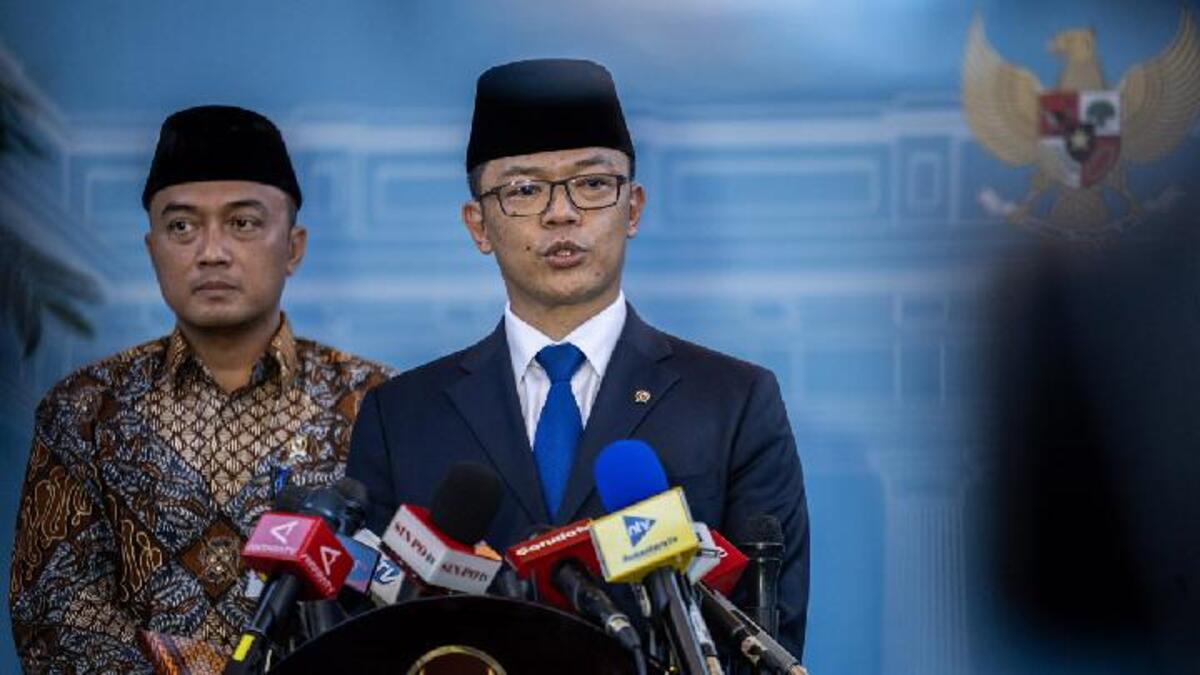
In its December 2025 press release, the Ministry of Environment, led by Minister Hanif Faisol Nurofiq, said the government had prepared an integrated licensing and asset management framework in coordination with the Ministry of Investment and the Investment Coordinating Board (BKPM).
The ministry emphasised the agglomeration model, which requires a minimum waste supply of 1,000 tonnes per day per facility to ensure economic viability.
Two phases of development were announced, covering major urban clusters across Java, Bali, Sumatra and Banten, with total processing capacity projected to reach 14,000 tonnes per day by 2029.
Officials have also pointed to strong international interest. Danantara’s Chief Investment Officer Pandu Patria Sjahrir said the programme had attracted attention from dozens of foreign governments and companies, portraying Indonesia’s WtE initiative as a globally recognised response to the waste and climate crises.
Competing visions for waste governance
For WALHI, however, the dispute highlights a deeper policy divide.
The organisation insists that effective solutions must begin upstream, through waste reduction at source, restrictions on single-use products, enforcement of Extended Producer Responsibility, waste segregation, and the expansion of community-based organic waste management.
“These measures are more affordable, more sustainable, and have been proven to work,” WALHI said, calling on the government to halt the acceleration of WtE projects and to review Presidential Regulation No. 109 of 2025.