Indonesia flood and landslide toll rises to 1,198 as tens of thousands remain displaced
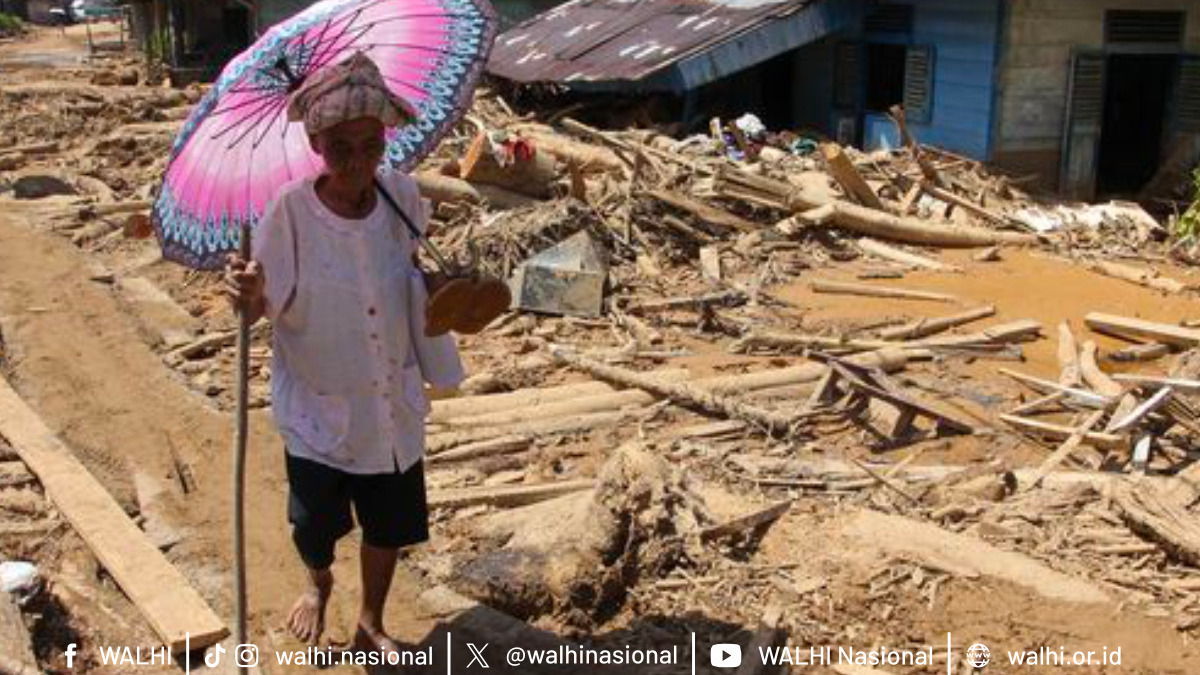
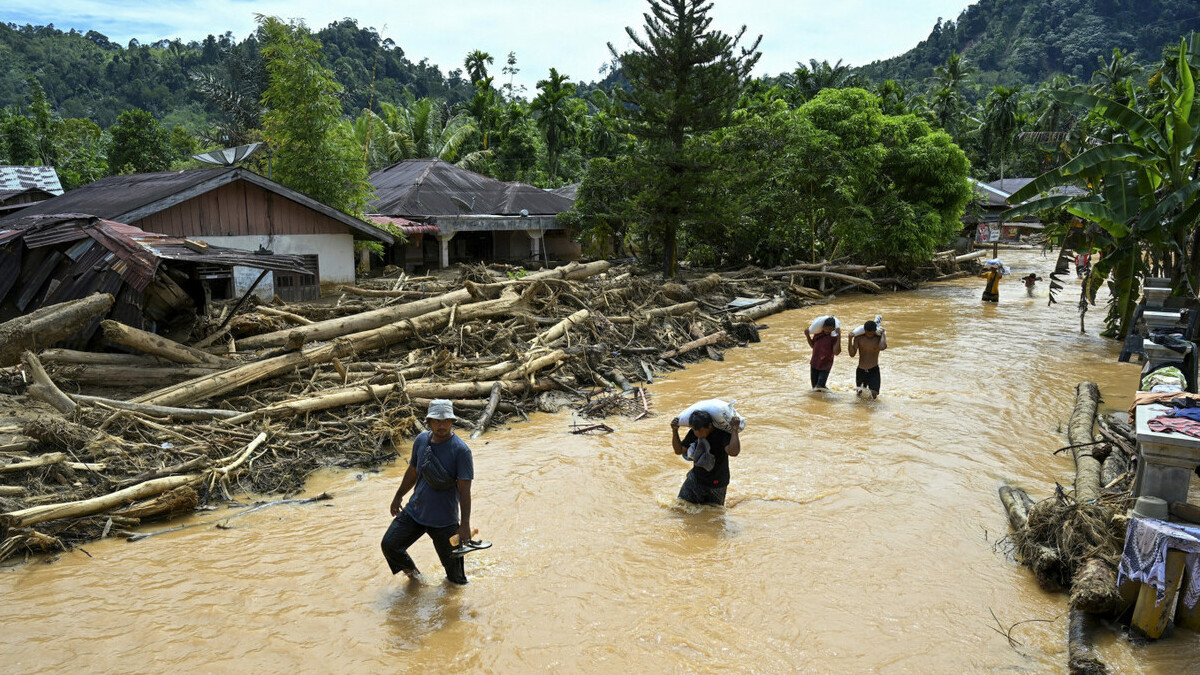
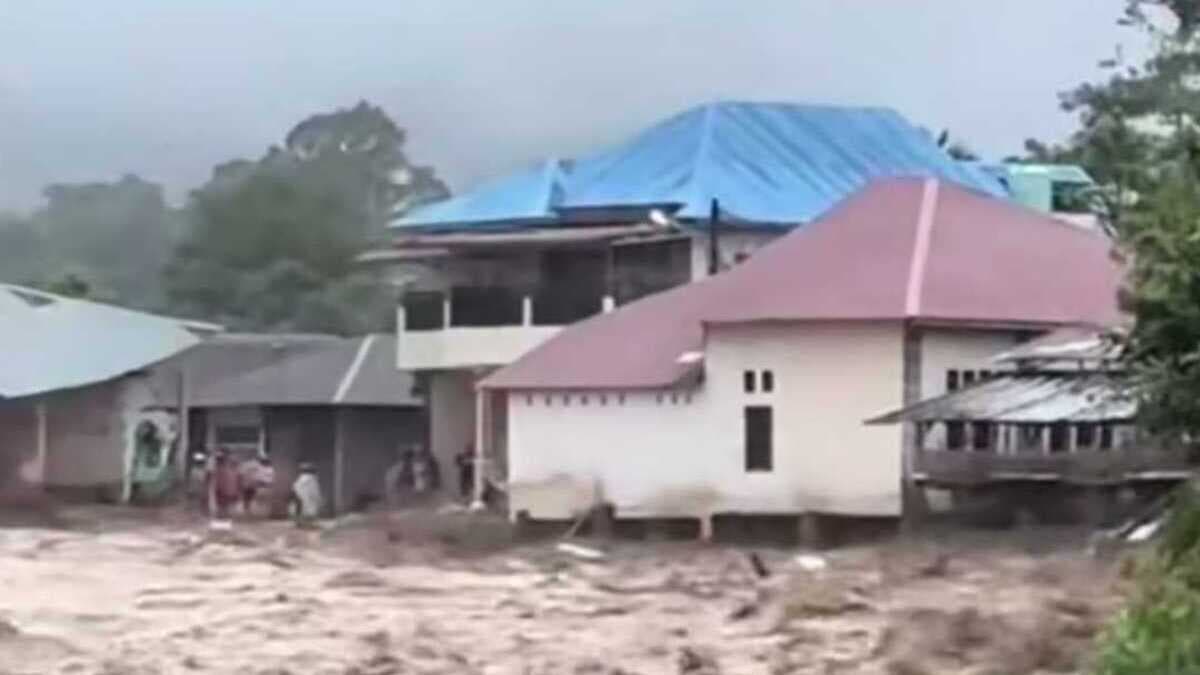
Fatalities from floods and landslides in Sumatra have climbed to 1,198, with Aceh recording the highest number of deaths. Displacement continues to rise nearly two months after the disasters began.
- Indonesia’s National Disaster Management Agency reports the death toll from Sumatra floods and landslides has risen to 1,198 as of 16 January 2026.
- More than 166,000 people are now sheltering in evacuation centres across Aceh, North Sumatra, and West Sumatra.
- Temporary shelter construction and cash assistance programmes are under strain amid rising demand.
Indonesia: Indonesia’s National Disaster Management Agency has reported a further rise in fatalities from the floods and landslides that have devastated large parts of Sumatra, with the death toll now standing at 1,198 as of Saturday, 17 January 2026.
The disasters have affected three provinces — Aceh, North Sumatra, and West Sumatra — leaving hundreds of thousands displaced nearly two months after the first impacts.
According to National Disaster Management Agency (BNPB), eight additional deaths were confirmed in Aceh, bringing the province’s total fatalities to 559 — the highest among the affected regions. North Sumatra has recorded 375 deaths, while West Sumatra has reported 264.
“The additional fatalities were recorded in Aceh Province, with eight people confirmed dead,” Abdul Muhari, Head of BNPB’s Centre for Disaster Data, Information and Communication, said in a press statement. Muhari, who is commonly known as Aam, added that the number of missing persons had also increased, from 141 to 144.
The humanitarian impact remains acute. BNPB data show that the number of residents currently sheltering in evacuation centres has risen sharply, from 131,521 to 166,579 people. Many others are staying with relatives, often without receiving any direct cash assistance, despite ongoing daily needs.
Recovery efforts under pressure
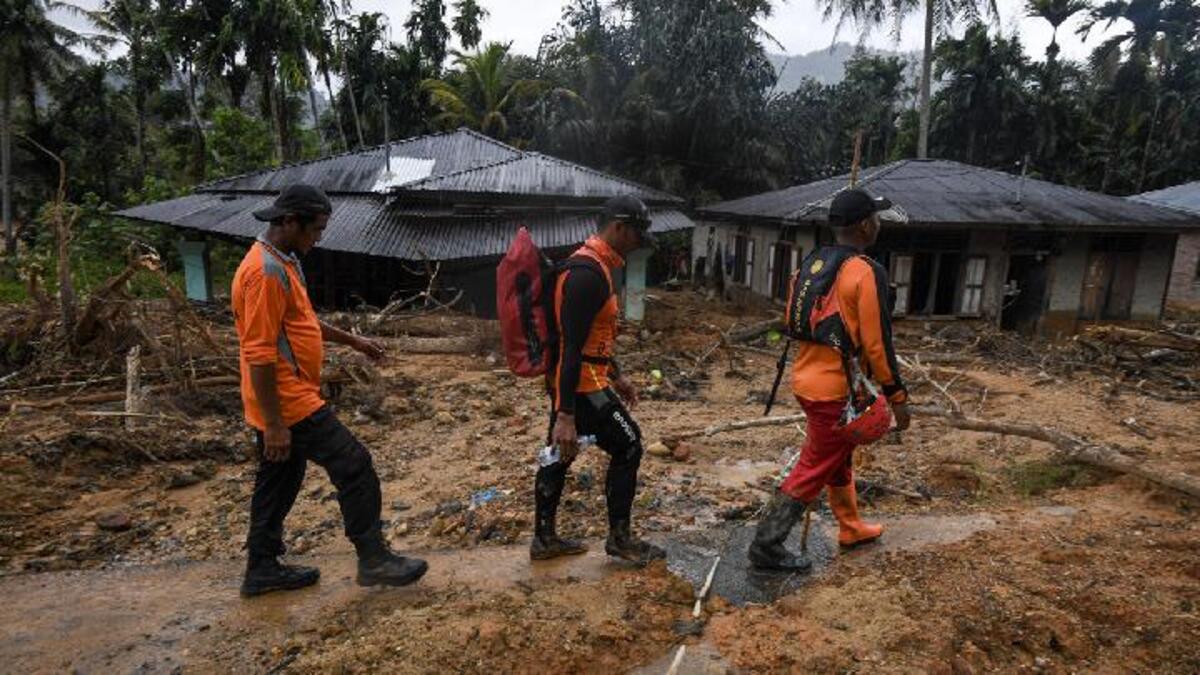
The government has intensified post-disaster recovery efforts, fast-tracking the construction of temporary shelters, restoring damaged infrastructure, and reopening access routes.
“The reopening and clearing of road and bridge access, as well as the restoration of residential areas, are being prioritised to make them more conducive for people to return and live in,” Muhari said.
In North Aceh Regency, a temporary bridge has been installed by the Yonzipur 5/ABW Task Force to reconnect isolated communities.
Joint teams from the Indonesian National Armed Forces (Indonesian National Armed Forces, TNI) and the National Police (Indonesian National Police, Polri) are also clearing debris and repairing public facilities.
Access to clean water remains a pressing concern. BNPB reported ongoing repairs to regional water supply networks, including in Bener Meriah Regency, where restoration work had reached 80 per cent completion by 15 January.
Temporary shelters lag behind needs
Despite these efforts, conditions in evacuation centres remain difficult. Nearly two months after the disasters struck, overcrowding persists and vulnerable groups — particularly children — are reported to be falling ill more frequently.
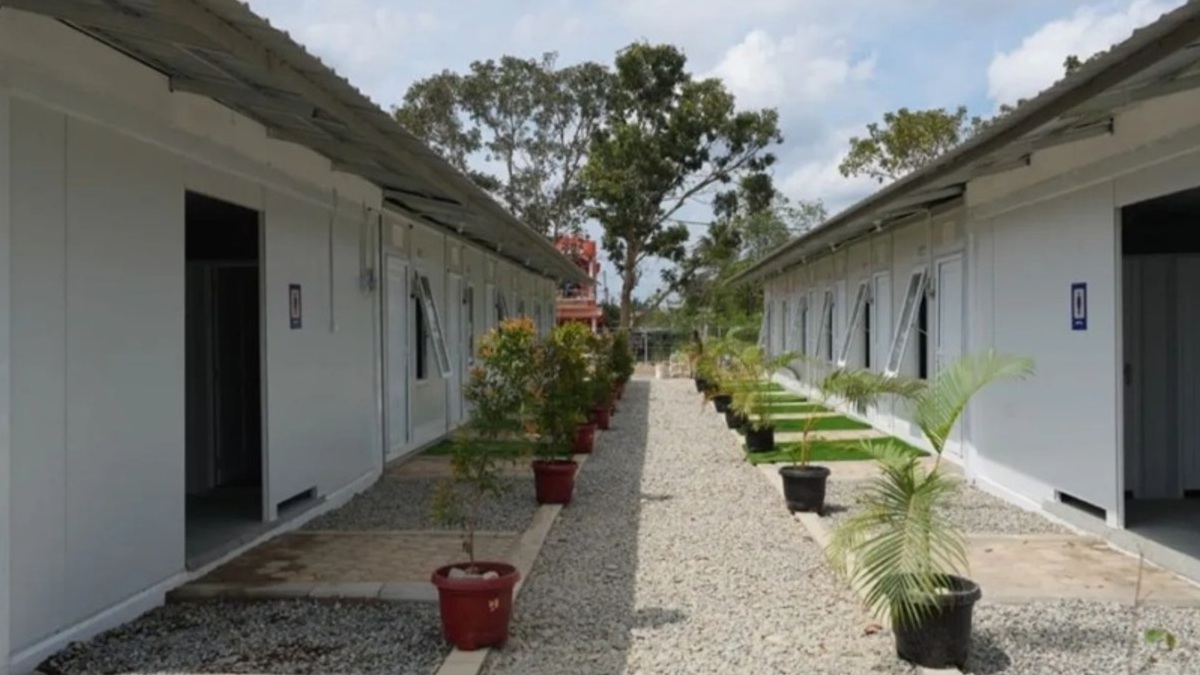
The government is racing to build hunian sementara (temporary shelters, or huntara) near the affected areas as part of the initial recovery phase. These shelters are intended to provide safer and healthier accommodation and to ease pressure on evacuation camps.
As of 16 January, only 781 huntara units across the three provinces were declared ready for occupation, including some in Aceh Tamiang. A further 5,738 units are under construction. In total, applications for temporary shelters have reached 27,860 units, underscoring the scale of unmet demand.
Authorities are aiming to accelerate construction so that more families can move out of evacuation centres before the start of Ramadan.
Cash assistance for displaced families
Alongside shelter construction, the government has introduced a waiting allowance scheme (dana tunggu hunian, DTH) for families whose homes were severely damaged. Under the programme, each eligible household receives Rp 600,000 (around US$40) per month while awaiting the completion of permanent housing (hunian tetap or huntap), typically to help cover rental costs.
Muhari said BNPB remains committed to strengthening coordination with ministries, local governments, the security forces, volunteers, and community groups to ensure disaster response and recovery are effective and sustainable.
“With strong synergy, the accelerated recovery of basic infrastructure, the fulfilment of adequate housing needs, and the strengthening of mitigation measures are expected to gradually restore the lives of affected communities towards conditions that are safer, more resilient, and better prepared to face future disaster risks,” he said.