Indonesia’s free school meals programme faces criticism over safety, costs and weak planning after one year
Indonesia’s flagship Free Nutritious Meals Programme is facing growing criticism after nearly a year of implementation, with researchers and civil society warning of food safety lapses, weak planning and ballooning costs that may undermine its nutrition goals.

- Indonesia’s Free Nutritious Meals Programme (MBG) is under mounting criticism over planning, safety and cost.
- Researchers say weak legal grounding, food poisoning cases and unclear nutrition gains undermine its goals.
- The government defends MBG’s scale, but analysts urge major reforms to restore trust and effectiveness.
Indonesia’s flagship Free Nutritious Meals Programme (Makan Bergizi Gratis, MBG), championed by President Prabowo Subianto, is facing growing criticism after nearly a year of nationwide implementation.
Independent researchers, nutrition experts, education advocates and civil society groups warn that the trillion-rupiah programme has been rolled out with weak planning, limited transparency and troubling food safety lapses—raising questions about whether it is delivering on its core promise to improve child nutrition.
Launched simultaneously in 26 provinces on 6 January 2025, MBG was framed as a cornerstone of Prabowo’s social agenda and a foundation for “Golden Indonesia 2045”.
Yet an evaluation released in December by the Centre for Economic and Law Studies (Celios) paints a far more complex picture, highlighting food poisoning cases, distribution failures, ballooning costs and a legal framework that lagged behind implementation.
Planning Gaps and a Late Legal Basis
Celios researcher Isnawati Hidayah said MBG has been problematic since its inception. Speaking at an online forum reviewing the programme’s first year, she criticised what she described as improvised government responses and a lack of credible public data.
“There has been no adequate study, no transparent dataset, and yet claims of success are repeated again and again,” she said, adding that the programme treated children as “objects of policy” rather than rights-holders.
One of the most striking findings was that the programme operated for months before a formal legal framework was in place. Presidential Regulation No. 115/2025 on MBG governance was only signed on 17 November 2025—long after meals were already being distributed across the country.
A Budget That Dwarfs Disaster Response
The scale of funding has become a central point of contention. Celios estimates that MBG’s allocation could reach Rp335 trillion in the coming fiscal year, a figure that far exceeds the budgets of key public safety institutions such as the Meteorology Climatology and Geophysics Agency and the National Disaster Mitigation Agency.
Isnawati contrasted this spending with persistent funding gaps in disaster-hit regions of Sumatra.
“The government claims MBG is for those most in need, yet disaster survivors are still waiting for adequate support,” she said. “Is the state truly present?”
Celios argues that reallocating even part of the MBG budget to more targeted schemes—such as cash transfers under the Family Hope Programme, free national health insurance, fertiliser subsidies for small farmers, or improved pay for honorary teachers—could deliver broader and more measurable benefits.
Mixed Results on Nutrition and Learning
Based on surveys of more than 1,800 adults and 691 nutritionists across 27 provinces, Celios found limited evidence that MBG is meeting its stated objectives.
On child nutrition, 26 per cent of highly educated respondents doubted the programme’s ability to reduce stunting.
More than half of parents reported no change in their children’s weight, with the figure rising to nearly 60 per cent among girls.
Celios also identified an inclusion error of up to 34.2 per cent, potentially wasting Rp8.4 trillion and undermining long-term returns on investment.
Learning outcomes were similarly inconclusive. Fifty-one per cent of parents said their children were no more focused or active, while 54 per cent observed no improvement in diligence. Statistical analysis found no significant relationship between receiving MBG meals and improved classroom behaviour.
Food Safety: Thousands Affected
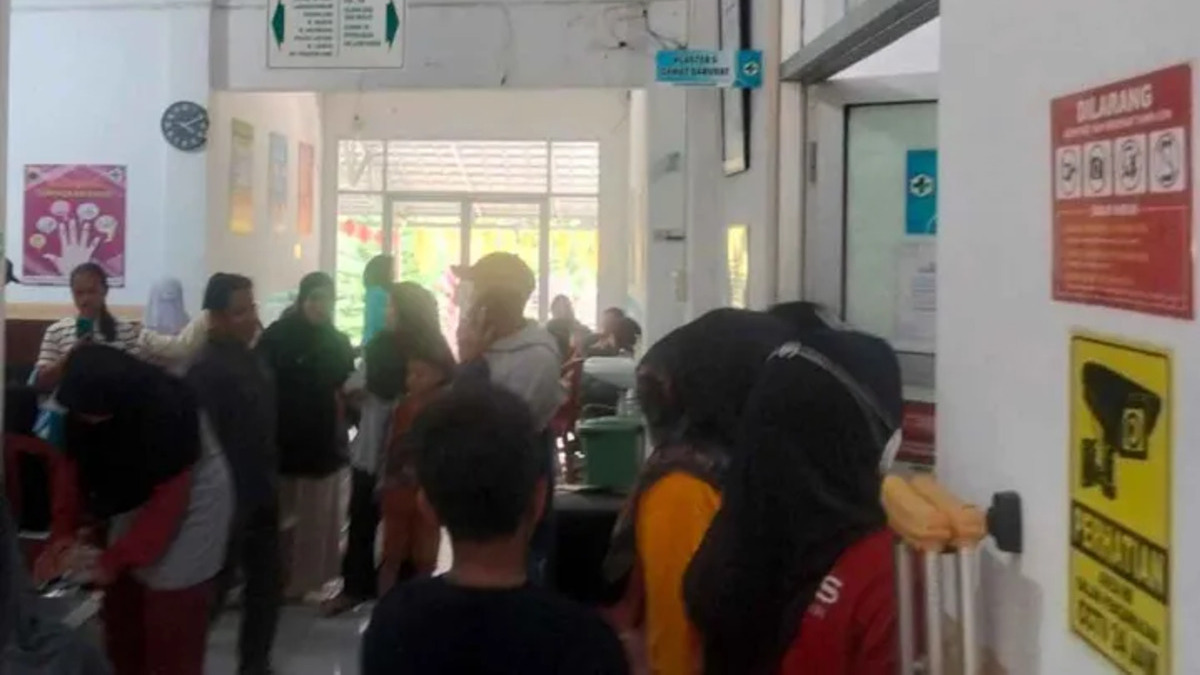
The most alarming issue has been food safety. According to the Indonesian Education Monitoring Network, more than 16,000 people were affected by food poisoning linked to MBG by October 2025. Official figures from the National Nutrition Agency (BGN) are lower—ranging from 4,711 to 5,914 victims—but still point to hundreds of incidents nationwide.
Laboratory findings show contamination by bacteria such as E. coli and Salmonella, often traced to water, rice, vegetables, chicken and tempeh. West Java recorded the highest number of cases, followed by Central Java and the Special Region of Yogyakarta.
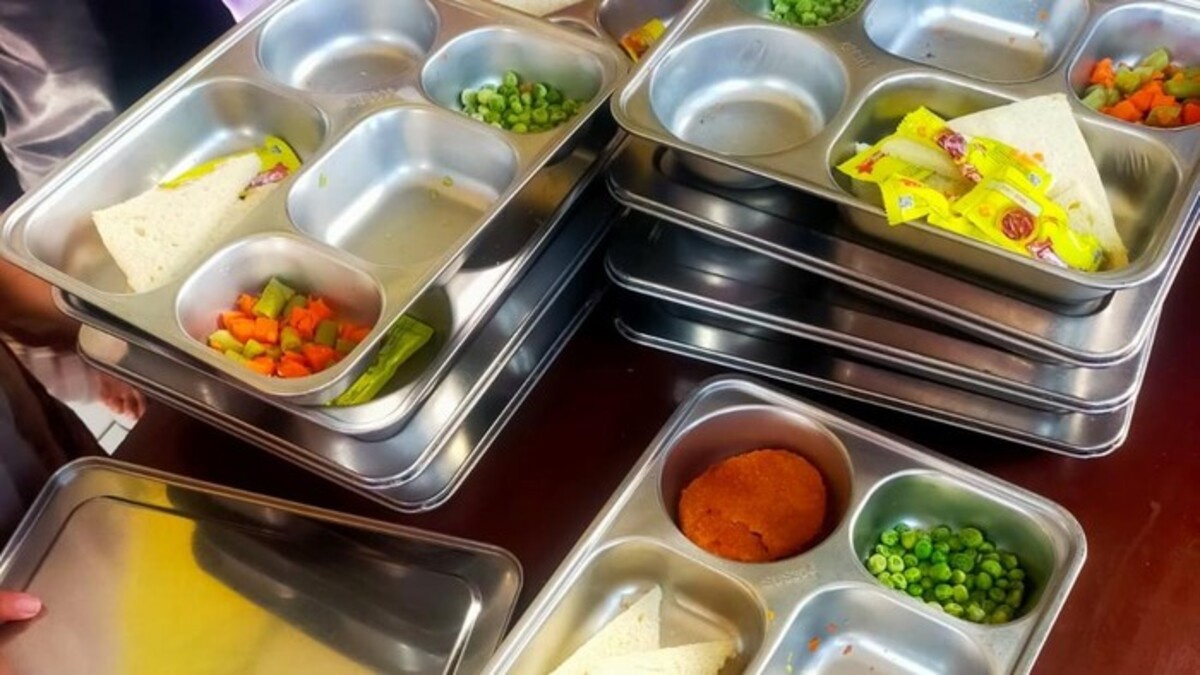
Public health nutritionist Tan Shot Yen warned that the problem is not incidental but structural. She criticised MBG menus dominated by ultra-processed foods—sweet breads, biscuits, flavoured sugary drinks, sausages and instant noodles—arguing that calorie counts alone ignore the metabolic and long-term health impacts of such diets.
Her sharpest criticism concerned meals for infants and toddlers, including the distribution of formula milk and packaged snacks to babies under one year old, in direct contradiction to Indonesia’s infant feeding guidelines that promote exclusive breastfeeding.
Economic Side Effects and Local Disruption
Beyond health concerns, MBG has also disrupted local food ecosystems. Celios estimates that up to 1.94 million workers in small food stalls, canteens and home-based businesses could lose their livelihoods as centralised procurement replaces community-based supply chains.
Nearly half of surveyed parents did not know who supplied MBG ingredients, while one-third suspected price mark-ups or conflicts of interest. Standardised menus, researchers warn, could also erode Indonesia’s rich food diversity, with up to 747 local food varieties at risk of disappearing from regular consumption.
Government Defends Programme, Promises Reform
Despite the criticism, the government insists MBG remains essential. BGN spokesperson Redy Hendra Gunawan acknowledged shortcomings in food safety and governance but said underperforming Nutrition Fulfilment Service Units (SPPGs) were being sanctioned, including termination of contracts.
Prabowo himself has repeatedly defended the programme, describing food poisoning cases as statistically minimal compared with the 1.4 billion meal portions distributed to more than 36 million beneficiaries. “There is no human endeavour of this scale without error,” he said in October, calling the poisoning rate “humanly acceptable”.
Education advocates remain unconvinced.
Ubaid Matraji of the Indonesian Education Monitoring Network argues that nearly half of the education budget has effectively been diverted to MBG, sidelining Constitutional Court rulings mandating free basic education.
“Our Constitution guarantees education, not free meals,” he said.