Indonesia’s president claims 99% success for free meal programme despite poisoning and corruption claims
President Prabowo Subianto has declared Indonesia’s Free Nutritious Meal programme 99 per cent effective, even as civil society groups and researchers warn of food poisoning cases, governance flaws and limited evidence of nutritional or educational impact.
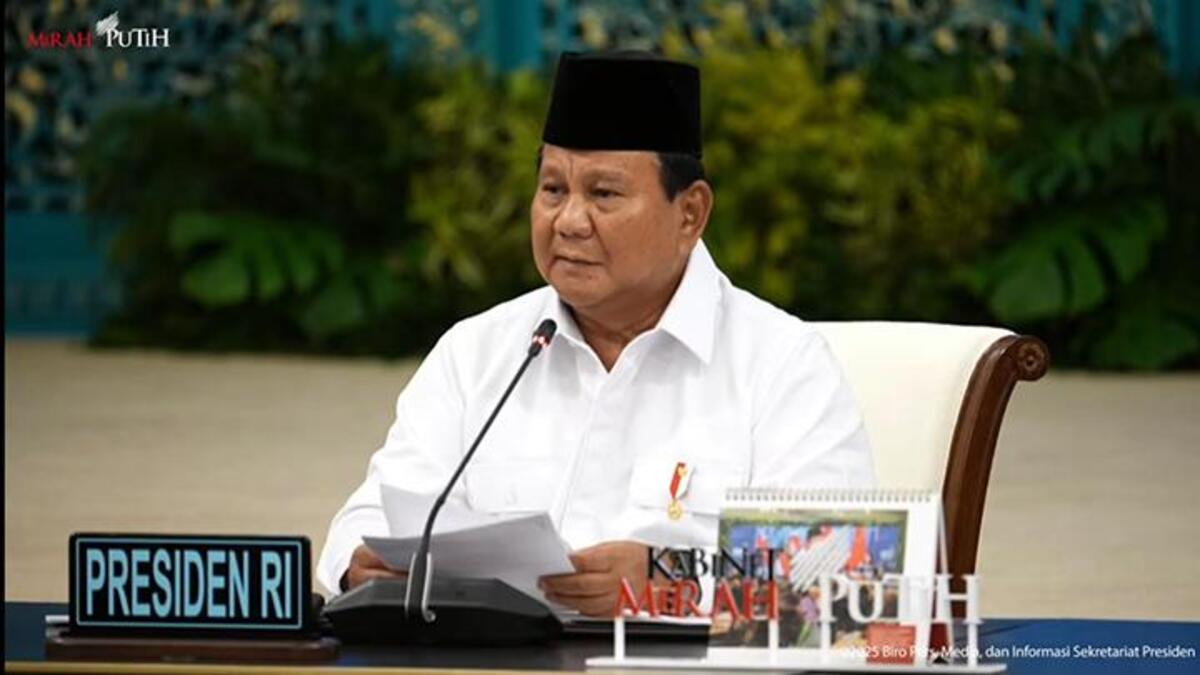
- President Prabowo Subianto declared the Free Nutritious Meal programme 99 per cent effective based on internal evaluations.
- Civil society groups report food poisoning cases, governance failures and weak legal foundations.
- Researchers question whether the programme delivers nutritional, educational or economic benefits proportionate to its cost.
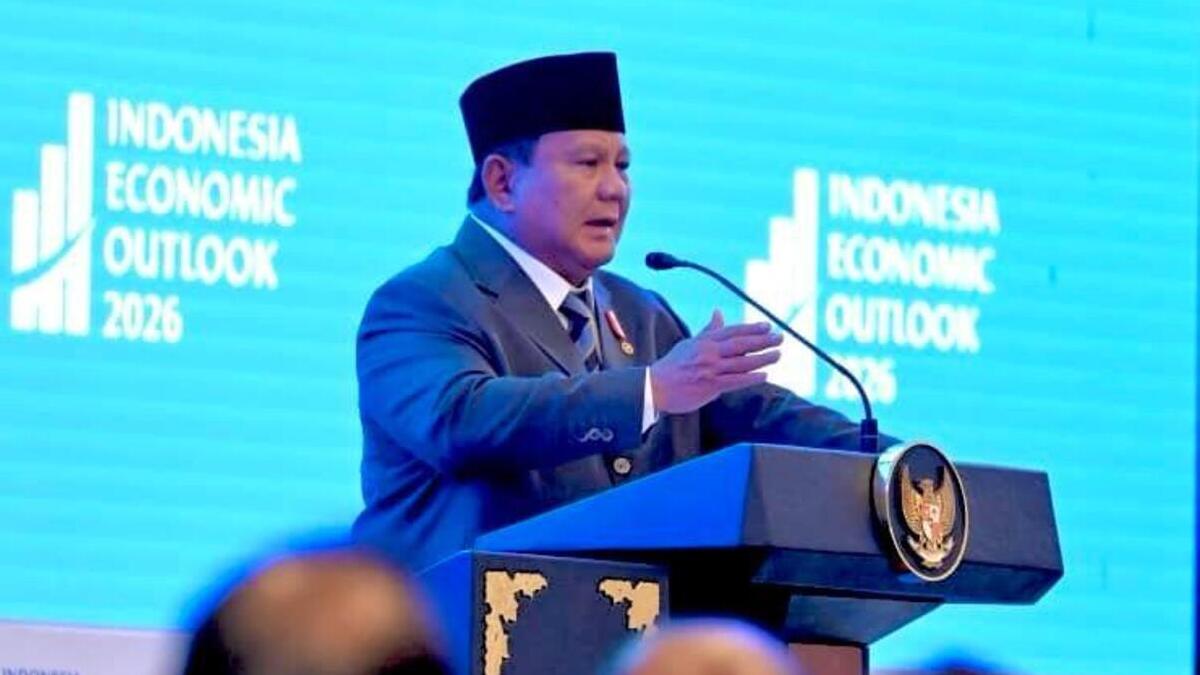
Indonesian President Prabowo Subianto has declared the government’s flagship Free Nutritious Meal programme (Makan Bergizi Gratis, MBG) a near-total success, claiming an effectiveness rate of 99 per cent based on internal evaluations.
The assertion comes amid mounting criticism from civil society groups, education advocates and researchers who warn that the trillion-rupiah scheme has generated serious food safety incidents, governance problems and unintended social and economic consequences.
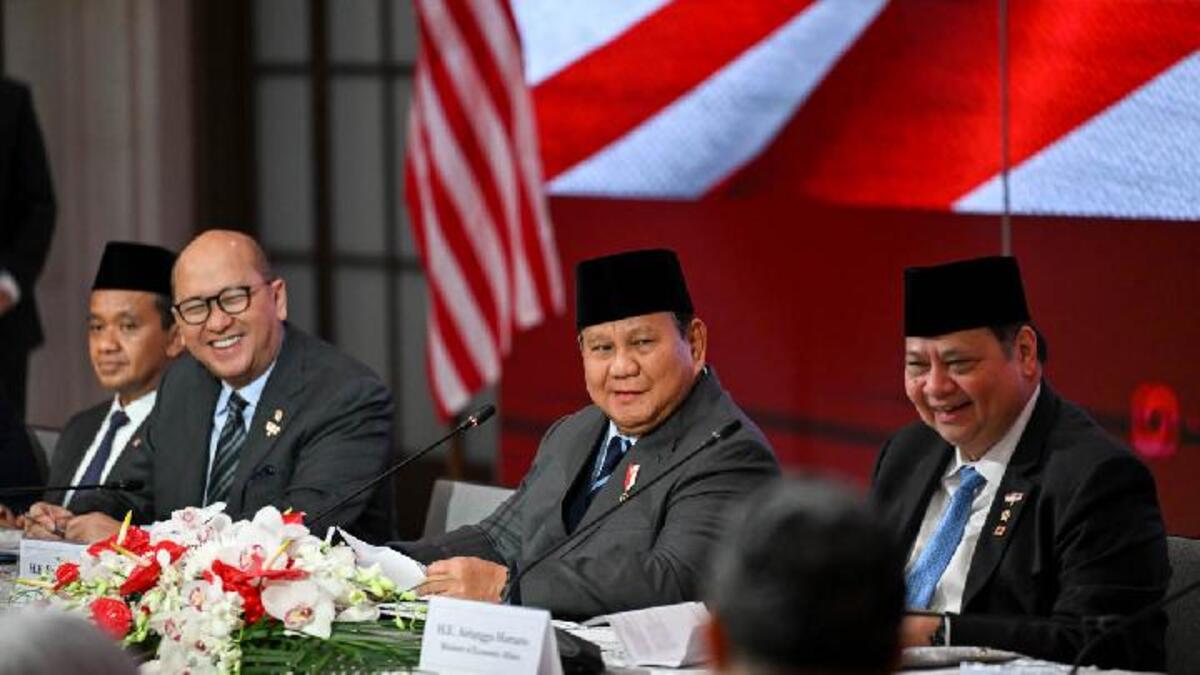
Speaking before his ministers during a retreat of the Red and White Cabinet at his private residence in Hambalang, Bogor, on Tuesday, 6 January 2026, Prabowo said the programme’s shortcomings were minimal and manageable.
“Short of 0.00-something [per cent],” the president said, according to the Cabinet Secretariat. “We were able to overcome that shortcoming, and continue to do so.”
Prabowo insisted that the government is not ignoring flaws in implementation and pledged closer oversight and direct intervention where problems emerge.
He described MBG as a strategic national programme driven by concern over chronic malnutrition among Indonesian children.
A flagship programme at massive scale
Launched nationally on 6 January 2025, MBG is one of Prabowo’s most ambitious social policies and a pillar of his vision for “Golden Indonesia 2045”.
The programme provides free meals to schoolchildren and pregnant women, aiming to improve nutrition, learning outcomes and long-term human capital.
According to the president, the number of beneficiaries has now reached 55 million people—an achievement he described as “extraordinary”.
He cited studies suggesting that between 20 and 30 per cent of Indonesian children are malnourished and highlighted the prevalence of children going to school without breakfast.
“Many of them only eat rice with leaves,” Prabowo said, underscoring what he framed as the moral urgency of the programme.
Rising concerns over food poisoning
However, data from independent monitoring organisations sharply contrast with the government’s optimistic narrative.
The Indonesian Education Monitoring Network (JPPI) reported that more than 20,000 people had suffered food poisoning linked to MBG meals as of 23 December 2025.
JPPI said the incidents span multiple provinces and schools, raising alarms over hygiene standards, food handling and oversight at public kitchens and Nutrition Fulfilment Service Units (SPPGs).
The head of the National Nutrition Agency (BGN), Dadan Hindayana, urged critics to provide detailed, verifiable data to allow follow-up investigations.
“It’s better to provide complete information so we can cross-check,” Dadan said on 31 December 2025. “How can we verify something if it remains ambiguous?”
Official figures from BGN acknowledge thousands of poisoning cases—lower than JPPI’s estimate but still involving hundreds of incidents nationwide.
Allegations of corruption and coercion in schools
Beyond health risks, JPPI warned that MBG has introduced new governance problems into schools.
The organisation documented allegations ranging from fund embezzlement to extortion practices that it said risk fostering a corrupt culture within the education system.
In several cases, schools reportedly demanded Rp1,000 (around US$0.06) per meal portion from parents or communities as a condition for participating in the programme—despite MBG being publicly funded and intended to be free for beneficiaries.
Education advocates argue that such practices reflect weak oversight and unclear lines of accountability between schools, local authorities and programme operators.
Researchers question planning and transparency
A December evaluation by the Centre for Economic and Law Studies (Celios) further challenged official claims of success.
Celios researcher Isnawati Hidayah said MBG was rolled out without adequate planning, transparent datasets or a solid legal foundation.
“There has been no adequate study, no transparent data, yet claims of success are repeated again and again,” she said, adding that children were treated as “objects of policy” rather than rights-holders.
One of Celios’s key findings was that MBG operated for months without a clear legal basis. Presidential Regulation No. 115/2025 on MBG governance was only issued in November 2025—nearly a year after nationwide distribution began.
A budget that dwarfs disaster response
The scale of MBG funding has also drawn scrutiny.
Celios estimates that the programme’s allocation could reach Rp335 trillion (approx. US$20 million) in the next fiscal year—far exceeding the budgets of Indonesia’s disaster mitigation and meteorological agencies.
Critics argue that such spending priorities are difficult to justify in a country frequently hit by floods, landslides and earthquakes, where disaster response agencies remain chronically underfunded.
Celios suggested that reallocating even part of the MBG budget toward targeted social protection schemes—such as cash transfers, national health insurance, fertiliser subsidies for small farmers or improved pay for teachers—could yield broader and more measurable benefits.
Limited evidence of nutritional and learning gains
Survey data analysed by Celios also raise doubts about whether MBG is achieving its stated objectives.
Among highly educated respondents, 26 per cent expressed scepticism that the programme could meaningfully reduce stunting.
More than half of parents reported no change in their children’s weight after receiving free meals, with the figure approaching 60 per cent for girls. Researchers also identified an inclusion error of up to 34.2 per cent, potentially wasting Rp8.4 trillion in public funds.
In terms of education outcomes, 51 per cent of parents said their children were no more focused or active in class, while 54 per cent observed no improvement in diligence.
Statistical analysis found no significant link between MBG participation and improved classroom behaviour.
Food quality and infant feeding concerns
Public health nutritionist Tan Shot Yen has earlier warned that MBG’s problems are structural rather than incidental.
She criticised menus dominated by ultra-processed foods—such as sweet breads, biscuits, sugary drinks, sausages and instant noodles—arguing that calorie counts alone ignore long-term health risks.
She also raised alarm over meals provided to infants and toddlers, including formula milk and packaged snacks for babies under one year old, practices that contradict Indonesia’s infant feeding guidelines promoting exclusive breastfeeding.
Economic disruption and public protest
The programme’s ripple effects extend beyond schools.
Celios estimates that up to 1.94 million workers in small food stalls, canteens and home-based businesses could lose livelihoods as centralised procurement replaces local food ecosystems.
Public dissatisfaction has begun spilling onto the streets.
On Wednesday, 7 January 2026, several protest groups—including the Taxpayers’ Community—planned demonstrations at the National Nutrition Agency’s office in Jakarta, prompting the deployment of more than 2,000 police officers to secure the protests.
Government defiance amid growing scrutiny
Despite intensifying criticism, Prabowo has continued to defend MBG, previously describing food poisoning incidents as statistically minimal compared with the estimated 1.4 billion meal portions distributed.
“There is no human endeavour of this scale without error,” he said in October, calling the poisoning rate “humanly acceptable”.
Education advocates remain unconvinced. Ubaid Matraji of JPPI warned that nearly half of Indonesia’s education budget has effectively been diverted to MBG, sidelining Constitutional Court rulings mandating free basic education.
“Our Constitution guarantees education, not free meals,” he said.