South Korea imposes unprecedented sanctions on online scam syndicates in Southeast Asia
South Korea has announced its first independent sanctions targeting Southeast Asian transnational criminal syndicates, following the death of a university student in Cambodia. Sanctions affect 15 individuals and 132 entities, including the Prince Group and Huione Group.
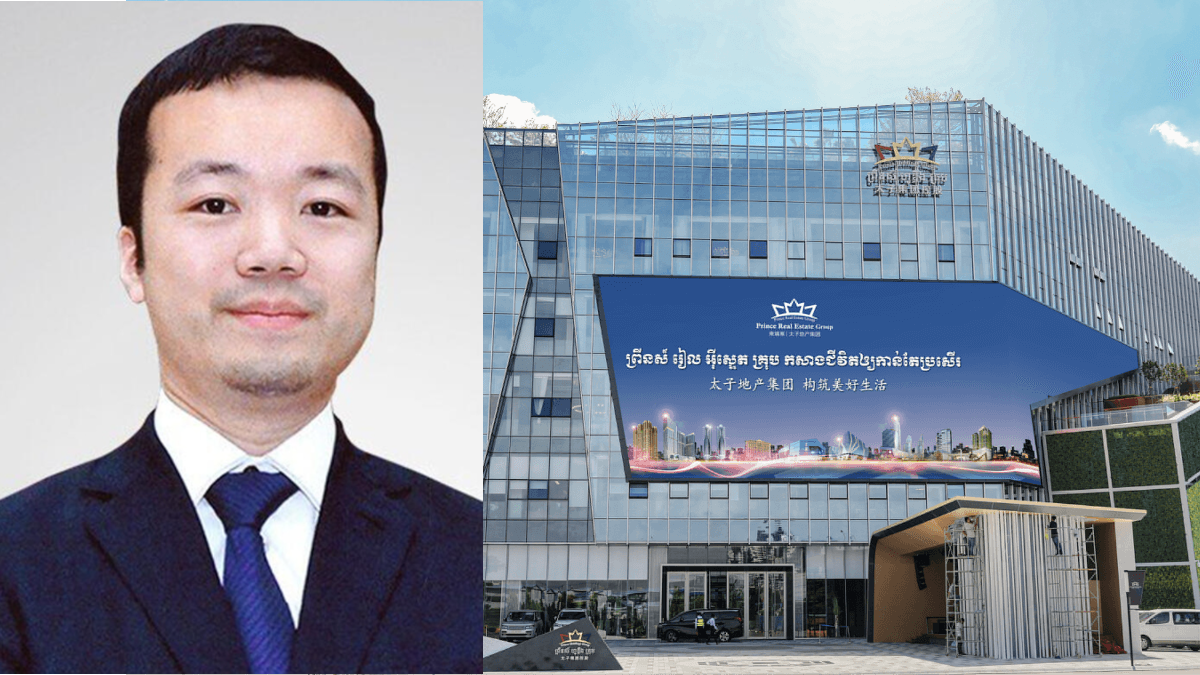
- South Korea sanctioned 132 entities and 15 individuals over involvement in online scams targeting its nationals.
- The action follows the death of a South Korean student trafficked to Cambodia.
- Targets include Prince Group and Huione Group, and this marks Korea’s first such independent sanction.
In a decisive escalation against transnational cybercrime, the South Korean government announced on 27 November 2025 that it has independently sanctioned 147 targets — 132 entities and 15 individuals — for their direct or indirect involvement in criminal operations such as online scams, human trafficking, and unlawful confinement in Southeast Asia.
This marks South Korea’s first independent sanctions related to transnational organised crime, and the largest single sanction package in the country's history, according to the Ministry of Foreign Affairs.
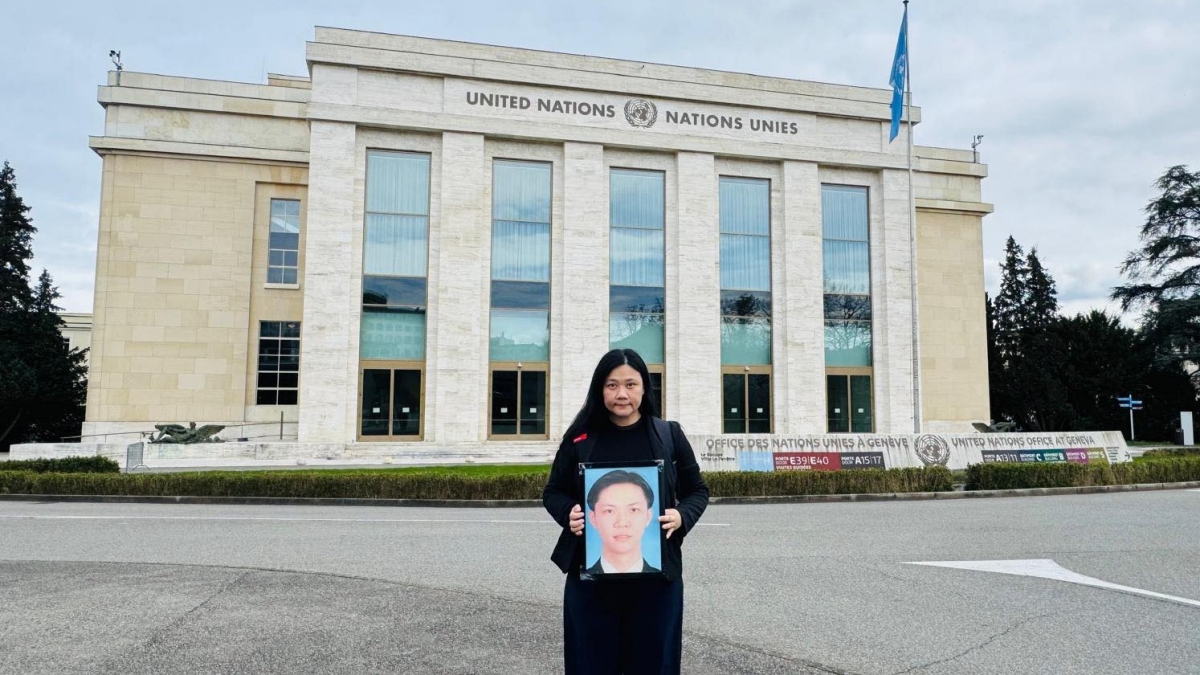
The decision follows public outcry over the case of a South Korean university student who died in Cambodia after being abducted and tortured by a criminal syndicate posing as an overseas job recruiter. The incident sparked national shock and prompted the government to commit to stronger countermeasures.
"The government is taking comprehensive action to respond to transnational crimes that seriously threaten the lives and property of our citizens," the ministry said in its official statement.
"These sanctions are a reflection of our firm commitment to eradicate such criminal networks".
Major targets: Prince Group and Huione Group
Among the sanctioned organisations are dozens of entities affiliated with Prince Group, a transnational crime syndicate previously sanctioned by the United States and the United Kingdom in October 2025.
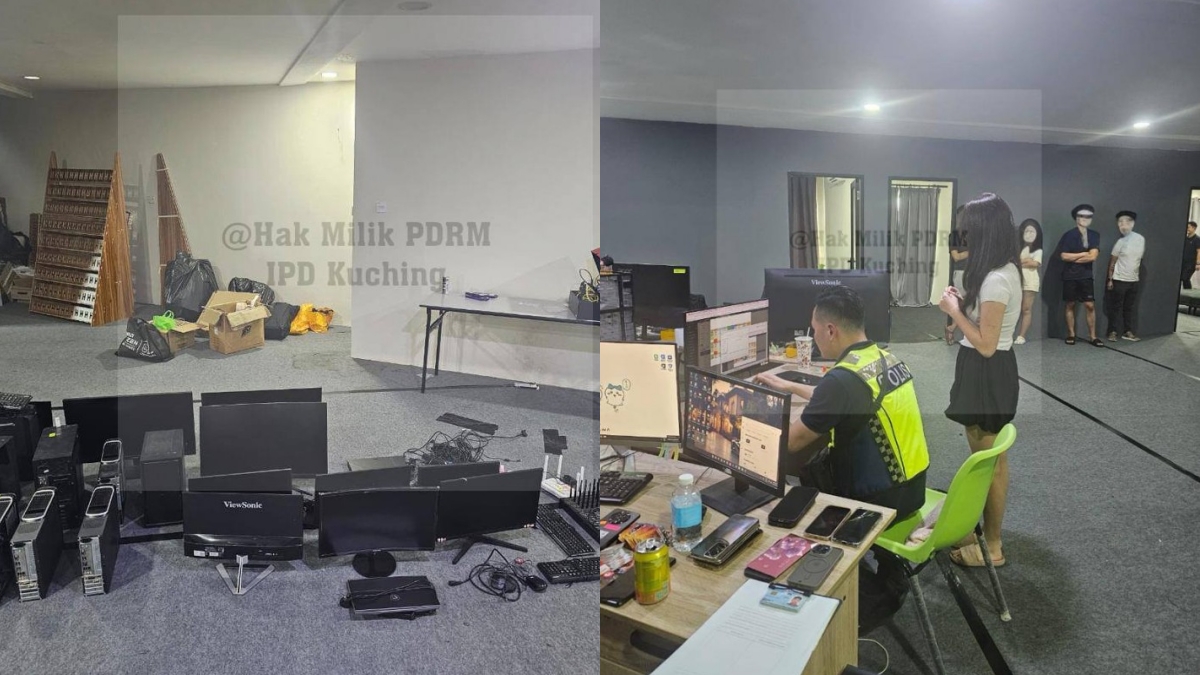
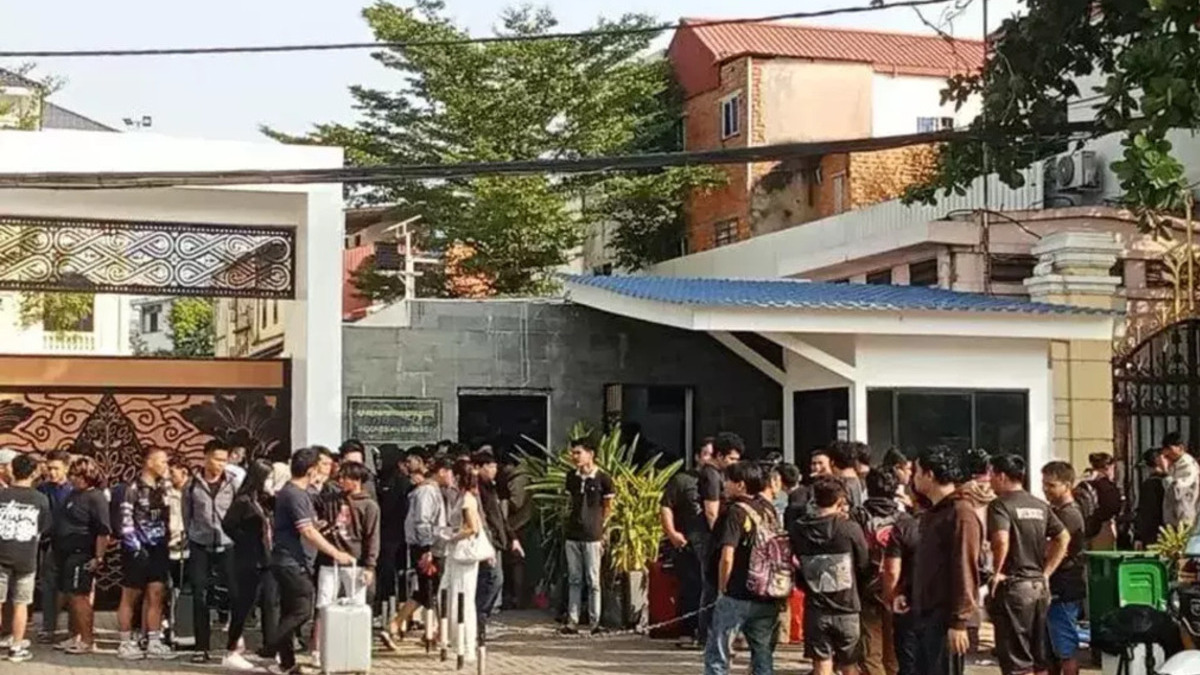
The group operated large-scale scam compounds such as the Prince Complex, Mango Complex, and Golden Fortune Science and Technology Park, where many South Korean nationals were detained and exploited under false employment pretences.
The sanctions also cover the Huione Group, which operates payment platforms such as Huione Pay PLC and Huione Crypto. These entities were identified as playing a central role in laundering criminal proceeds and facilitating illicit transactions across borders.
Other listed companies span jurisdictions including Cambodia, Singapore, Hong Kong, Taiwan, the British Virgin Islands, and Palau, highlighting the global reach of the syndicates.
Individuals linked to abuse and laundering
Notable individuals sanctioned include:
-
Chen Zhi, chairman and owner of Prince Group, named as the orchestrator behind multiple scam compounds.
-
Han Chenghao, who ran operations in Cambodia’s Bohai region and allegedly recruited and confined South Korean, Chinese, and Japanese victims for fraudulent activities.
-
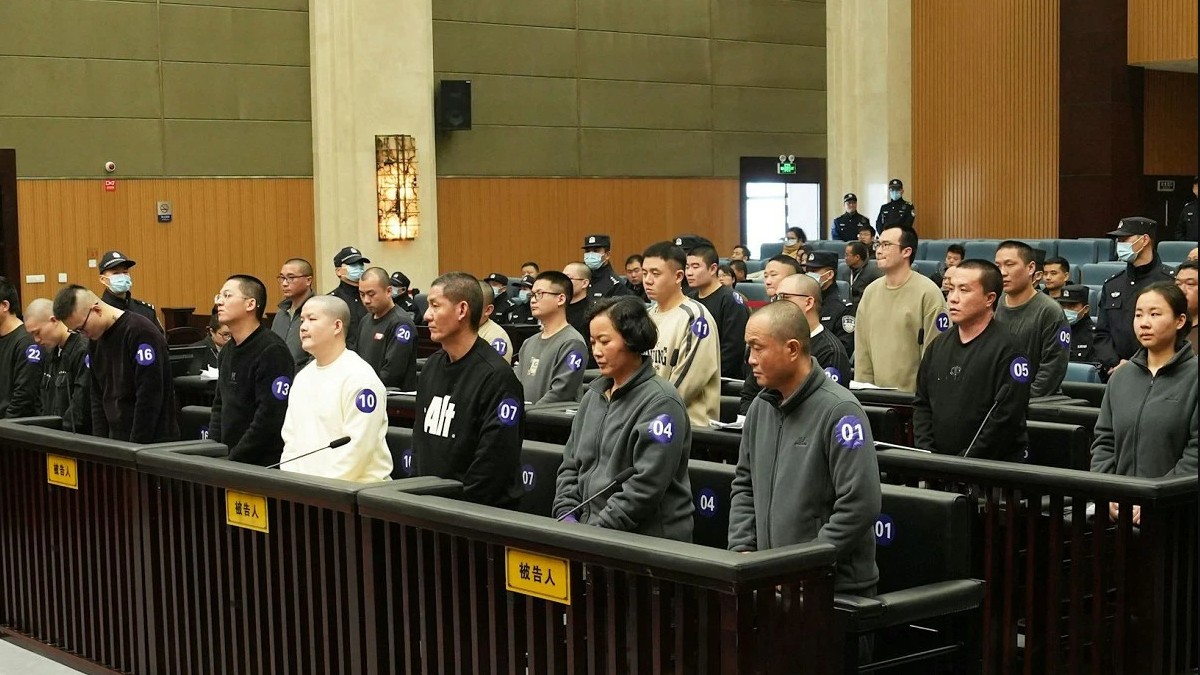
Li Guanghao, the primary suspect in the death of the South Korean student, who is under an Interpol red notice and has been sentenced to 26 years by a Cambodian court.
Other individuals include financial facilitators, real estate operators, and crypto managers tied to Prince Group and its network, many of whom held multiple nationalities or operated across borders in Laos, Palau, Cyprus, and Singapore.
Legal implications and enforcement
According to the official announcement, sanctioned individuals and entities will face:
-
Freezing of domestic assets, including virtual currencies
-
Bans on financial transactions within South Korea
-
Travel bans on sanctioned individuals
These measures are implemented under South Korea’s legislation on the prohibition of financing terrorism and WMD proliferation, as well as immigration and asset control laws.
Diplomatic coordination and MOUs
The announcement also highlighted that South Korea had recently signed memoranda of understanding with both China and Cambodia.
During a bilateral summit earlier this month, President Lee Jae Myung and Chinese President Xi Jinping agreed to enhance cooperation against voice phishing and online fraud. Many of the scam rings operating in Southeast Asia are believed to be Chinese-run or affiliated.
Separately, an MOU with the Cambodian government has led to the creation of a joint police task force to better protect Korean nationals abroad and disrupt scam networks based in Cambodia.
The Ministry of Foreign Affairs stated it will continue inter-agency coordination and international collaboration to identify additional targets and cut off the financial infrastructure supporting such crime.
“We will continue to disrupt overseas criminal networks and prevent our country from becoming a hiding place or laundering ground for illicit proceeds,” the ministry said.