China rejects link to seized weapons in Thai-Cambodian conflict amid Thai calls for clarification
China has denied any connection to Chinese-made weapons seized from Cambodian troops, following Thai political and military calls for an explanation. Beijing says its defence ties are lawful and not party to the border conflict.
- China denies responsibility for Chinese-made weapons seized by Thai forces from Cambodian troops.
- Thai politician Dr Warong and Defence Minister Nattapon previously raised concerns over advanced Chinese arms at the border.
- Beijing calls for restraint and dialogue while distancing itself from battlefield developments.
China has formally distanced itself from weapons recovered by Thai forces during border clashes with Cambodia, asserting that its defence exports and cooperation programmes are lawful and not connected to the current conflict.
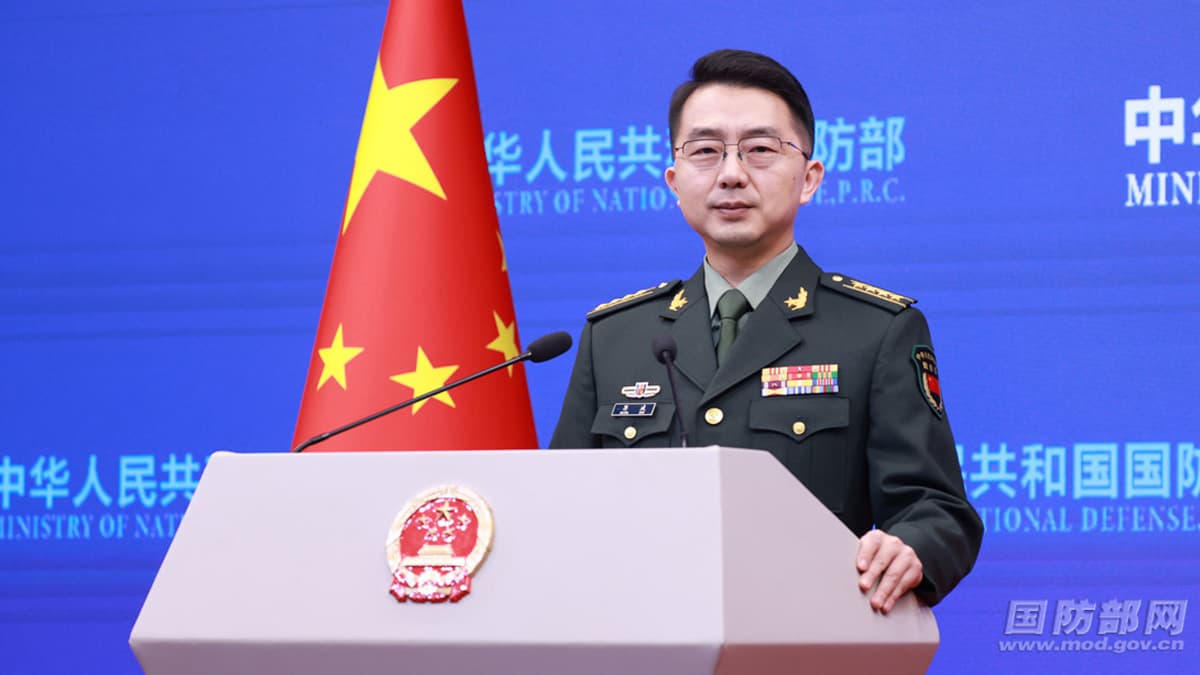
In a statement released on 18 December 2025, Chinese Ministry of National Defence spokesperson Jiang Bin stated that recent reports linking Chinese-made arms to Cambodian forces engaged in border fighting were being misinterpreted.
“China’s defence cooperation with Cambodia and Thailand has always followed international law and accepted norms,” Jiang said. “It is not directed at any third party and should not be subject to speculation or malicious hype.”
The remarks follow rising pressure within Thailand after its military revealed a cache of Chinese-manufactured weapons allegedly seized from Cambodian troops in multiple locations, including Mount 500 in Ubon Ratchathani province and Ban Nong Ree in Trat.
Earlier, on 16 December, Thai politician Dr Warong Dechgitvigrom, leader of the Thai Pakdee Party, publicly questioned how advanced Chinese-made weapons came into the hands of Cambodian frontline units. He called on the Chinese Embassy in Bangkok to issue a formal explanation to reassure the Thai public.
Among the weapons recovered was a GAM-102LR guided anti-tank missile, described by military analysts as a fifth-generation system. Thai forces also seized Norinco PF-89 rocket launchers, Type 65-1 recoilless grenade launchers, and 82mm grenades.
These details were shared through official Thai Army channels, including the Army Military Force Facebook page.
“The presence of such advanced weaponry is a serious concern for Thailand’s national security,” Dr Warong said. He added that the discovery was particularly sensitive in light of Thailand’s long-standing security ties with China.
Dr Warong also cited China’s historic 1979 military action against Vietnam, suggesting that past defence cooperation had benefited Thailand and should now be matched by transparency and accountability.
Thailand’s Defence Minister Gen Nattapon Nakpanich confirmed that the Chinese-made weapons were recovered in conflict zones such as Hill 500 and the Three Houses area. He noted that all seized items fall under Thai military custody.
“Once seized, they are effectively ours,” Gen Nattapon said. “For now, they remain under examination.”
While declining to speculate on whether the weapons were supplied directly by a foreign government, he confirmed that no formal communication had been received from Beijing regarding the equipment’s return.
The Chinese Embassy in Bangkok previously expressed regret over casualties on both sides and urged restraint, but had not directly addressed the weapons issue. The new statement from the Ministry of National Defence explicitly seeks to separate China’s defence exports from the conflict.
“China calls on all parties to avoid escalating the situation and to resolve differences through dialogue,” Jiang said. “As a neighbour and friend to both sides, China will continue to play a constructive role in promoting peace.”
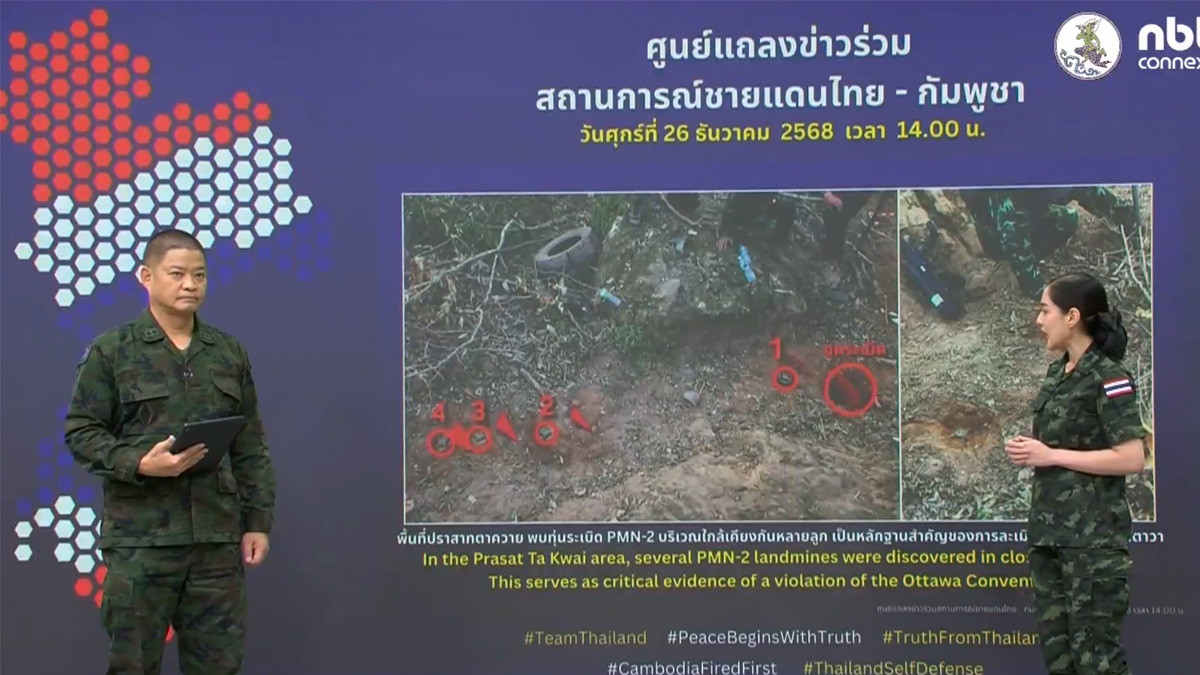
Despite this, Thai military units have continued to uncover more evidence of Chinese-made weapons and military training materials linked to Cambodia. Most recently, the Royal Thai Navy presented evidence of anti-personnel mines modified from anti-tank devices, reportedly planted along border zones in violation of the Ottawa Convention.
One image published by Thai authorities shows a booby-trapped mine concealed in a tree branch. Others show ground-laid mines and captured Chinese-made armaments.
Rear Admiral Paraj Ratanajaipan, spokesperson for the Royal Thai Navy, said the evidence demonstrates systematic training and deployment of banned weaponry, including PMN-2 mines, by Cambodian forces.
“This is a deliberate breach of international humanitarian law,” he stated. “We urge the international community not to overlook these violations.”
China, while expressing condolences over the conflict’s human toll, maintains that its defence exports are governed by clear policies and that peace in the region remains a priority.
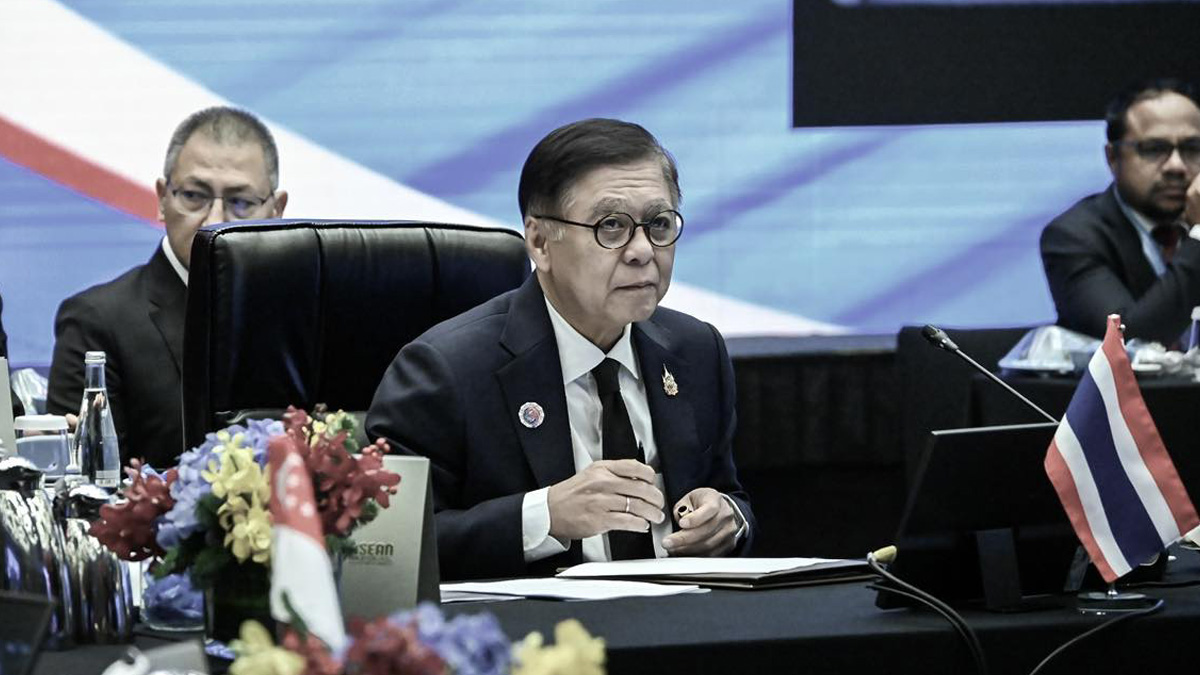
The issue is expected to be raised indirectly at the ASEAN Foreign Ministers’ meeting on 22 December in Malaysia, where Thailand is expected to present further findings and advocate for a ceasefire based on its three preconditions: cessation of all hostilities, end to continued aggression, and transparency.