Amnesty warns Indonesia’s new criminal laws signal legal emergency and shift towards authoritarian rule
Amnesty International Indonesia warns that Indonesia is entering a legal emergency, arguing that the newly enacted Criminal Procedure Code expands police power, weakens safeguards and accelerates democratic regression.
- Amnesty International Indonesia warns Indonesia is entering a “legal emergency” following the enactment of the new Criminal Procedure Code.
- The organisation says the new legal framework expands police power, weakens judicial oversight and erodes democratic safeguards.
- Amnesty urges presidential intervention to halt implementation and restart the legislative process through meaningful public participation.
Amnesty International Indonesia has warned that Indonesia is entering a “legal emergency”, arguing that the country’s newly enacted Criminal Procedure Code marks a decisive shift towards authoritarian governance and weakens fundamental protections for citizens.
In a statement released on 1 January 2026, Amnesty Indonesia joined the Civil Society Coalition for Criminal Procedure Code Reform in condemning the implementation of the New Criminal Procedure Code (KUHAP Baru), which comes into force alongside the New Criminal Code (KUHP baru) this month.
The coalition described the new legal framework as a “portrait of state incompetence and authoritarianism”.
According to Amnesty Indonesia, rather than strengthening the rule of law, the two laws institutionalise practices that erode democratic safeguards, expand coercive state power and expose citizens to arbitrary and inhumane treatment.
Expanded police power, weakened safeguards
Amnesty Indonesia said the New Criminal Procedure Code significantly broadens the authority of law-enforcement agencies — particularly the police — while failing to establish adequate judicial oversight.
This imbalance, the organisation warned, undermines the principle of checks and balances that underpins a democratic legal system.
“The new procedure code opens wide space for abuse of power and state arbitrariness,” the statement said, adding that suspects and defendants risk being treated as objects of enforcement rather than rights-bearing citizens.
Among the coalition’s key concerns are provisions allowing investigators to act on the basis of “urgent interests”, a phrase Amnesty Indonesia said is dangerously vague and relies on subjective assessments by law-enforcement officers.
The organisation also criticised the marginalisation of judges and defence lawyers, warning that courts are increasingly sidelined as mechanisms of accountability.
Legislative process under fire
Amnesty Indonesia placed particular emphasis on the flawed process through which the law was drafted and approved. The organisation said the deliberation of the KUHAP violated Constitutional Court standards on meaningful public participation, including the right to be heard, the right to have views considered and the right to receive explanations.
According to the coalition, draft versions of the bill and records of substantive changes were not made accessible to the public. Hearings held by the Dewan Perwakilan Rakyat Republik Indonesia (DPR RI) were treated as procedural formalities, with civil-society input largely ignored.
Most controversially, deliberations were compressed into just two days, despite the existence of more than 1,000 unresolved issues in the official problem inventory. Amnesty Indonesia said this approach reflects a culture of secrecy and manipulation in law-making that is incompatible with democratic governance.
Risks to vulnerable groups
Amnesty Indonesia also warned that protections for vulnerable groups — including women, older persons and people with disabilities — are inadequately defined. While the new law references the protection of rights, it fails to specify duty-bearers, enforcement mechanisms or legal consequences when those rights are violated.
“This reduces human-rights guarantees to mere rhetoric,” the organisation said, cautioning that vulnerable individuals may remain exposed to abuse without effective remedies.
Background: warnings before implementation
The Amnesty statement builds on months of criticism from legal-aid and human-rights groups following the DPR’s approval of the revised KUHAP in November 2025.
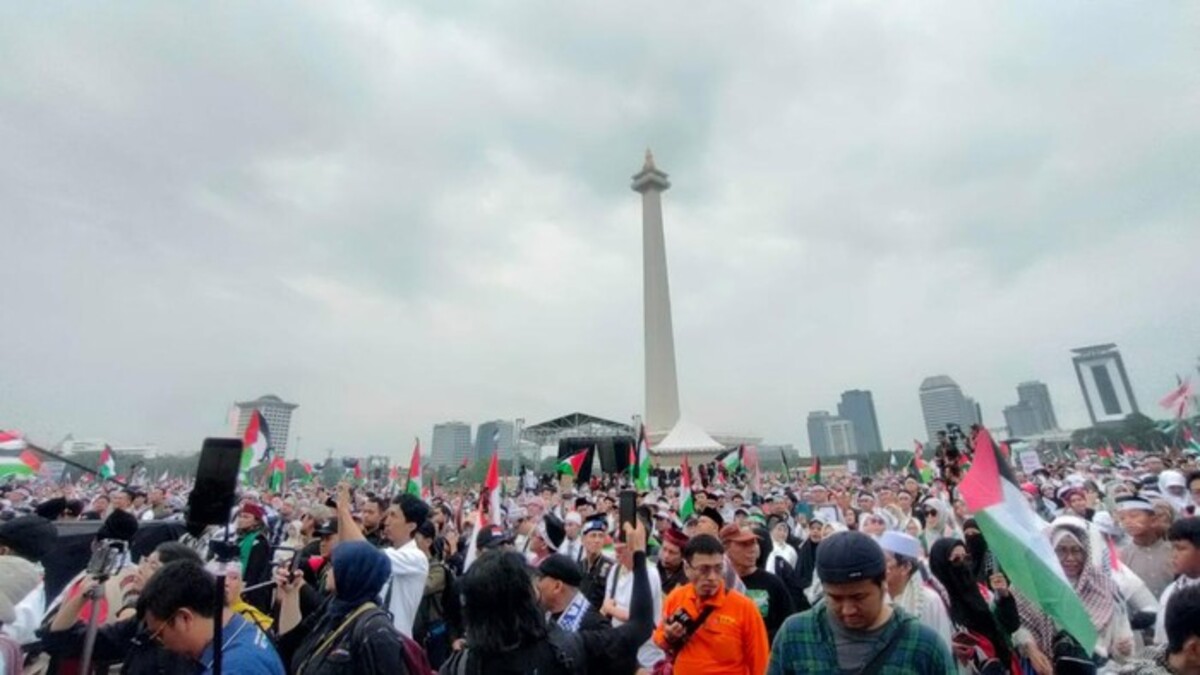
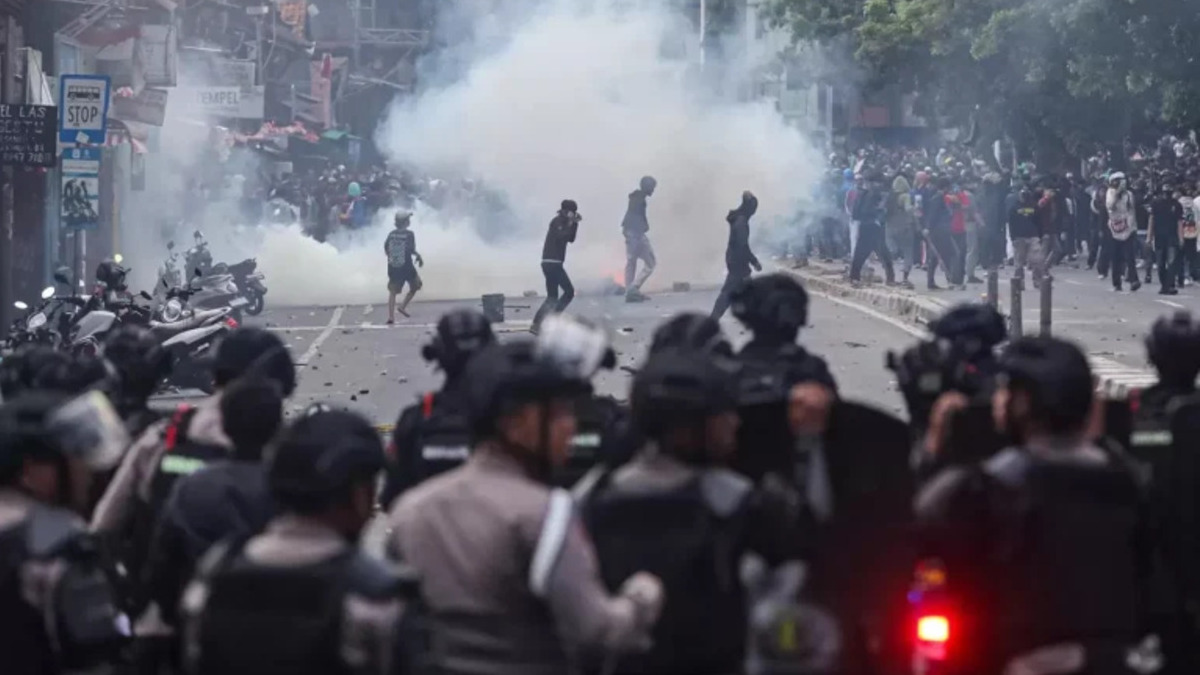
Student groups, lawyers and civil-society organisations staged protests outside parliament, warning that the law expands police powers and weakens judicial oversight.
Indonesia’s largest legal-aid network, Yayasan Lembaga Bantuan Hukum Indonesia (YLBHI), previously warned that the new Criminal Code and Criminal Procedure Code form a single framework that could criminalise dissent and encourage self-censorship. A viral YLBHI video cautioning that “everyone can become a suspect” intensified public debate.
Indonesia’s National Human Rights Commission has also raised constitutional concerns, particularly around surveillance powers and the risk of arbitrary detention.
Amnesty Indonesia linked the new laws to a broader pattern of democratic regression under President Prabowo Subianto and Vice President Gibran Rakabuming Raka, warning that hard-won reforms achieved after the 1998 Reformasi movement are being dismantled.
The organisation also cited recent revisions to military legislation as reinforcing a trend towards militarisation and the weakening of civilian supremacy.
Call for presidential intervention
Amnesty Indonesia urged the President to use his constitutional authority to halt the implementation of the New Criminal Procedure Code by issuing a Government Regulation in Lieu of Law (Perppu).
It also called for the law to be redrafted from the outset through a transparent, participatory process grounded in the 1945 Constitution.
“All elements of civil society must speak out,” the statement said.
“If bad laws are enforced in a context of weak accountability and authoritarian leadership, the result is not order, but injustice.”