Indonesia floods kill over 1,100 as searches continue, deforestation blamed for worsening Sumatra disaster
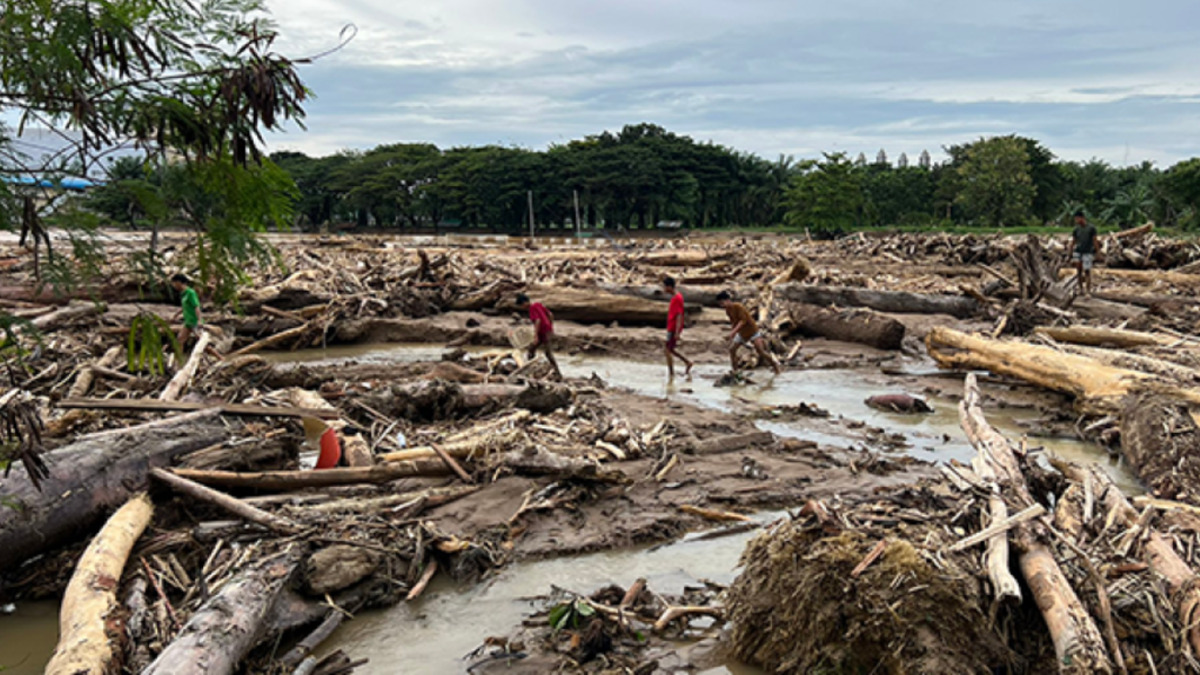
Indonesia’s disaster agency says more than 1,100 people have died and 163 remain missing after floods and landslides hit three Sumatran provinces in late November, with search operations still ongoing more than a month later.
- Indonesia’s disaster agency confirms more than 1,100 deaths and ongoing search efforts a month after floods and landslides in Sumatra.
- Around 395,000 people remain displaced across Aceh, North Sumatra and West Sumatra, down from an earlier peak of one million.
- Authorities cite extreme rainfall linked to Tropical Cyclone Senyar and deforestation as major factors worsening the disaster.
Indonesia’s National Disaster Mitigation Agency (BNPB) has released its latest update on the response to the devastating floods and landslides that struck Aceh, North Sumatra and West Sumatra in late November, confirming that search and rescue operations are still ongoing more than a month after the disaster began.
According to data published on the BNPB’s official website on Tuesday evening at 6.04 p.m. local time, the confirmed death toll has risen to 1,141 people, while 163 others remain missing.
Authorities say many of the missing are believed to have been buried under landslides or swept away by flash floods, particularly in remote and mountainous areas.
Over 395k people displaced
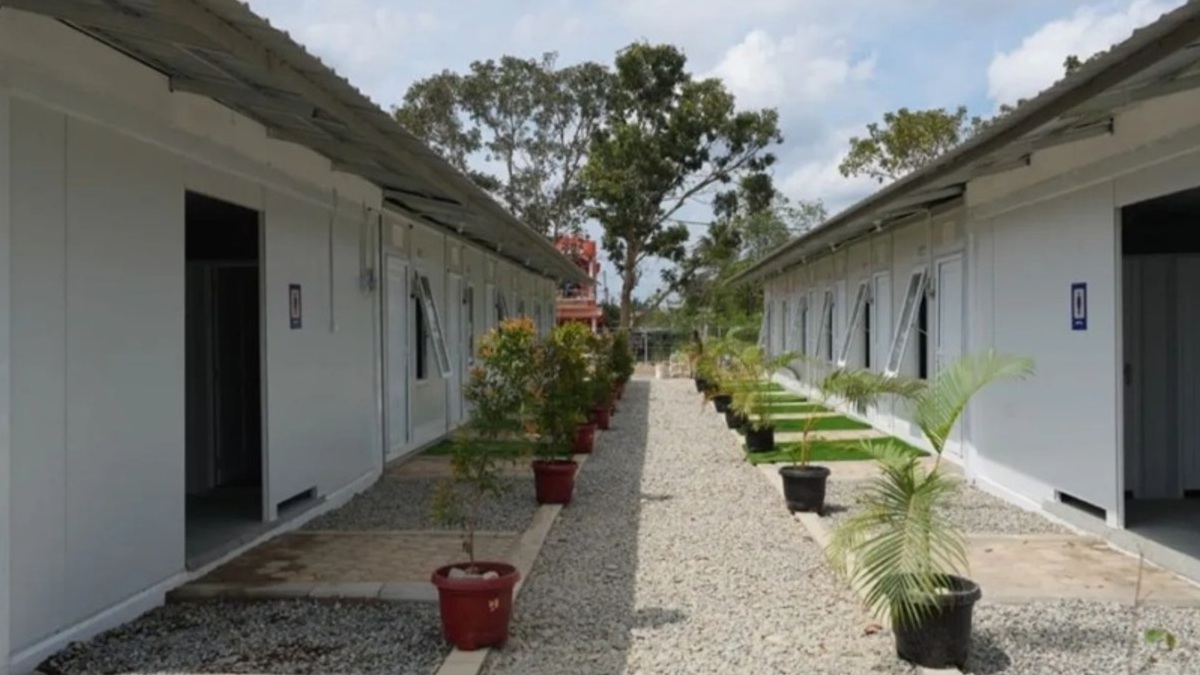
The agency also reported that approximately 395,000 people are currently displaced, living in evacuation centres or temporary shelters.
This marks a decrease from earlier estimates, when the number of displaced residents had peaked at around one million, as floodwaters initially submerged vast residential areas and forced mass evacuations.
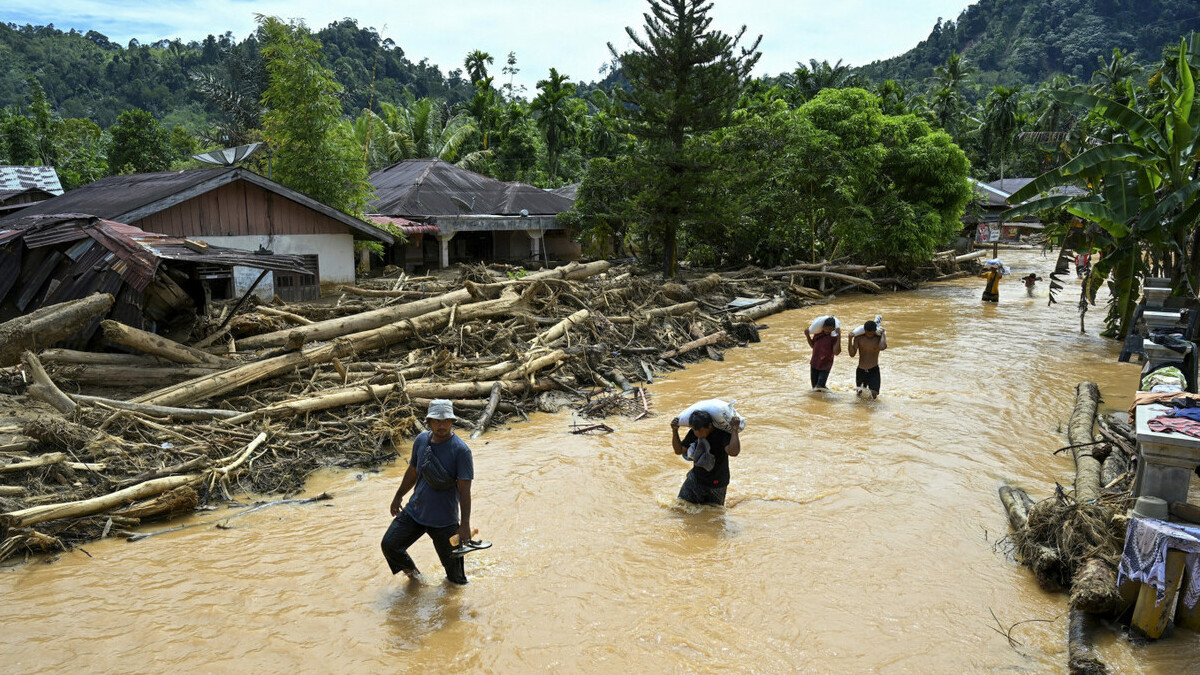
The floods and landslides affected 52 regencies and cities across the three provinces, making it one of the widest-reaching hydrometeorological disasters in Sumatra in recent decades.
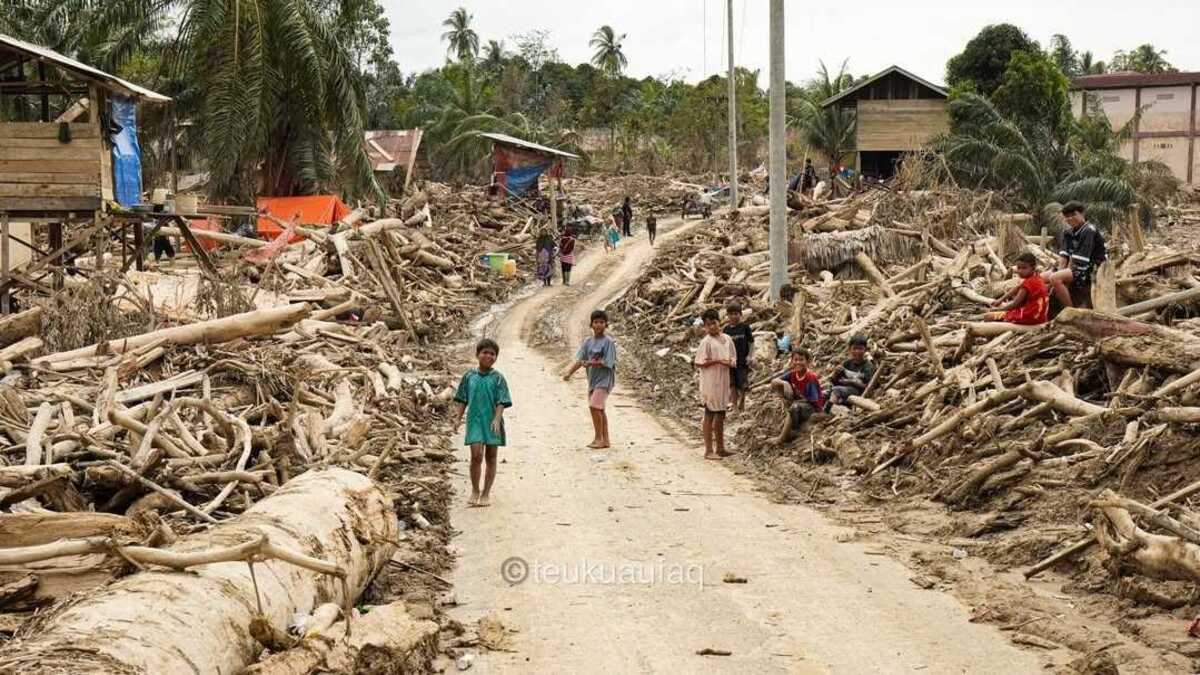
Entire districts were cut off for days as roads, bridges and communication networks were destroyed or rendered unusable.
Data from BNPB show that the highest death toll was recorded in North Aceh, with 213 fatalities, followed by Agam Regency in West Sumatra with 192 deaths, Central Tapanuli in North Sumatra with 127 deaths, South Tapanuli with 88 deaths, and Aceh Tamiang with 88 deaths.
Highest fatalities recorded in North Aceh
Displacement figures also reveal the uneven but severe impact across Aceh.
North Aceh recorded the largest number of displaced residents at 166,000 people, followed by Aceh Tamiang with 115,000, East Aceh with 20,000, Bireuen with 20,000, and Gayo Lues with 17,000 displaced.
The disasters occurred between 25 and 30 November 2025, when prolonged heavy rainfall triggered widespread flooding and landslides.
BNPB said the extreme weather was influenced by Tropical Cyclone Senyar, which intensified rainfall across northern and western Sumatra.
The agency also acknowledged that extensive logging in forested areas had contributed to soil instability and reduced the land’s capacity to absorb water, worsening the impact of the floods and landslides.
Rescue operations shift toward recovery
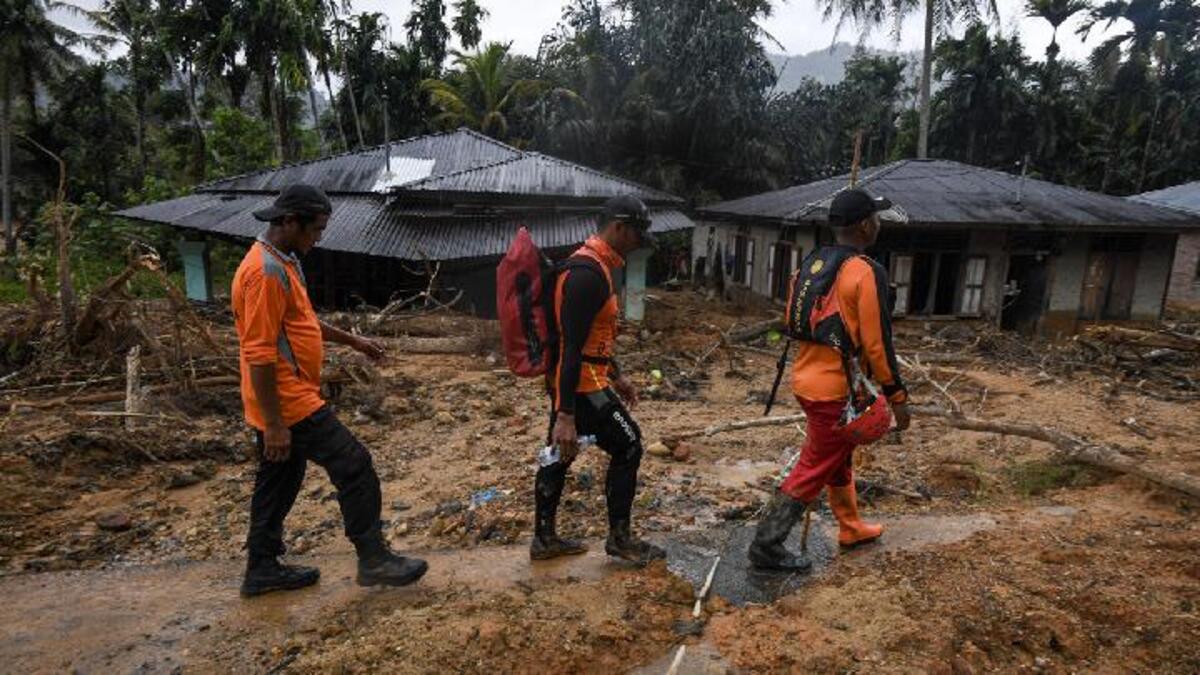
Search and rescue teams, including the military, police, disaster response units and volunteers, continue to operate in affected areas, though officials say efforts are increasingly focused on recovery and debris clearance as the likelihood of finding survivors diminishes.
Difficult terrain, damaged infrastructure and ongoing rainfall in some locations continue to hamper operations.
As Indonesia moves into the new year, authorities warn that the humanitarian consequences of the Sumatra disaster will remain severe.
Tens of thousands of families are still without permanent shelter, while damaged schools, health facilities and transport links pose significant challenges to recovery and reconstruction efforts across the three provinces.
Environmental lawyers link Sumatra disasters to licensed deforestation
Environmental lawyers in Indonesia have accused the government of enabling large-scale forest destruction through state-issued permits, arguing that the deadly floods and landslides that have swept across Sumatra since late November were intensified not only by illegal logging, but also by deforestation carried out legally under government licences.
The Indonesian Environmental Law Association (PHLI) said hydrometeorological disasters in Aceh, North Sumatra and West Sumatra cannot be separated from decades of forest exploitation sanctioned by the state.
“The deforestation that triggered flash floods and landslides in Sumatra was not only caused by illegal logging, but also by legal logging based on permits,” PHLI representative Edra Satmaidi said during an online press conference on 22 December 2025.
He said central and regional governments continue to issue forest utilisation licences despite weak monitoring and enforcement, allowing extensive land clearance that reduces the land’s capacity to absorb heavy rainfall.
Communities living near forest areas, Edra added, often bear the heaviest impacts while their rights are routinely overlooked.
PHLI urged the government to declare the ecological crisis in Sumatra a national disaster, impose a moratorium on forest permits, and conduct a comprehensive review of licences linked to extractive industries.
While welcoming the government’s plan to revoke at least 22 problematic forest-related business permits nationwide — covering more than one million hectares, including significant areas in Sumatra — the group warned that permit revocations alone would not address deeper policy failures.
“Law enforcement does not erase the government’s responsibility for deforestation that has already occurred,” Edra said, as environmental groups continued to warn that forest degradation, combined with intensifying extreme weather driven by climate change, is amplifying disaster risks across Indonesia.