Indonesian civil groups warn intimidation over Sumatra disaster signals democratic erosion under Prabowo
Indonesian civil society groups say rising intimidation of activists and commentators after criticism of the Sumatra disaster reflects a dangerous erosion of democracy under President Prabowo Subianto, urging citizens to protect one another as civic space narrows.
- Indonesian civil society groups warn of escalating intimidation against critics following Sumatra’s deadly ecological disaster.
- A joint statement backed by 91 organisations links the threats to democratic erosion under President Prabowo Subianto’s administration.
- The coalition urges citizen solidarity rather than formal appeals to authorities, citing shrinking civic space.
INDONESIA: A broad coalition of Indonesian civil society organisations has warned that a surge of terror and intimidation against critical citizens signals a dangerous erosion of democracy under President Prabowo Subianto and Vice President Gibran Rakabuming Raka, amid mounting public scrutiny over the government’s handling of a deadly ecological disaster in Sumatra.
The warning was issued in a joint statement circulated simultaneously across multiple platforms, including organisational websites, social media channels, and independent media networks, on 31 December 2025.
While coordinated by the Yayasan Lembaga Bantuan Hukum Indonesia (YLBHI), the statement represents a collective position endorsed by 91 organisations and collectives and 51 individuals, reflecting what signatories described as a shared sense of alarm across Indonesia’s civil society.
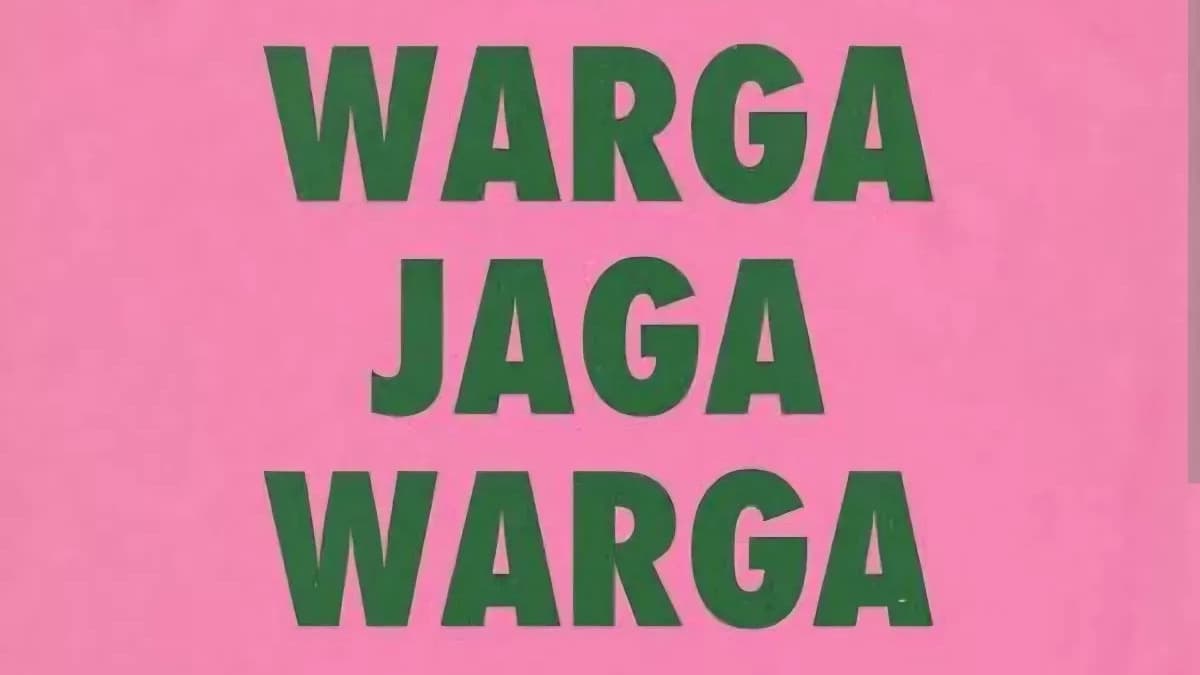
The statement, titled “Citizens Protecting One Another: Terror and Intimidation Against Citizens Are the Face of Totalitarianism under the Prabowo–Gibran Regime,” describes recent attacks on activists, journalists and social media commentators as evidence that authoritarian practices are no longer isolated incidents but part of a broader pattern.
Critics targeted after speaking out on Sumatra disaster
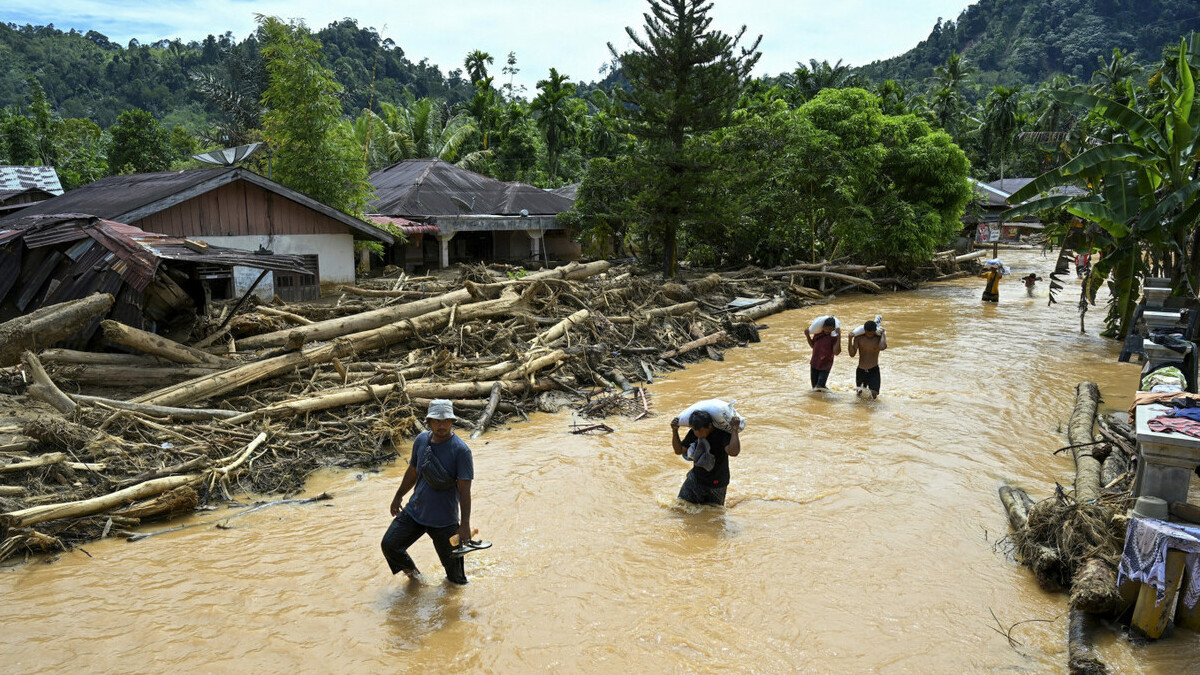
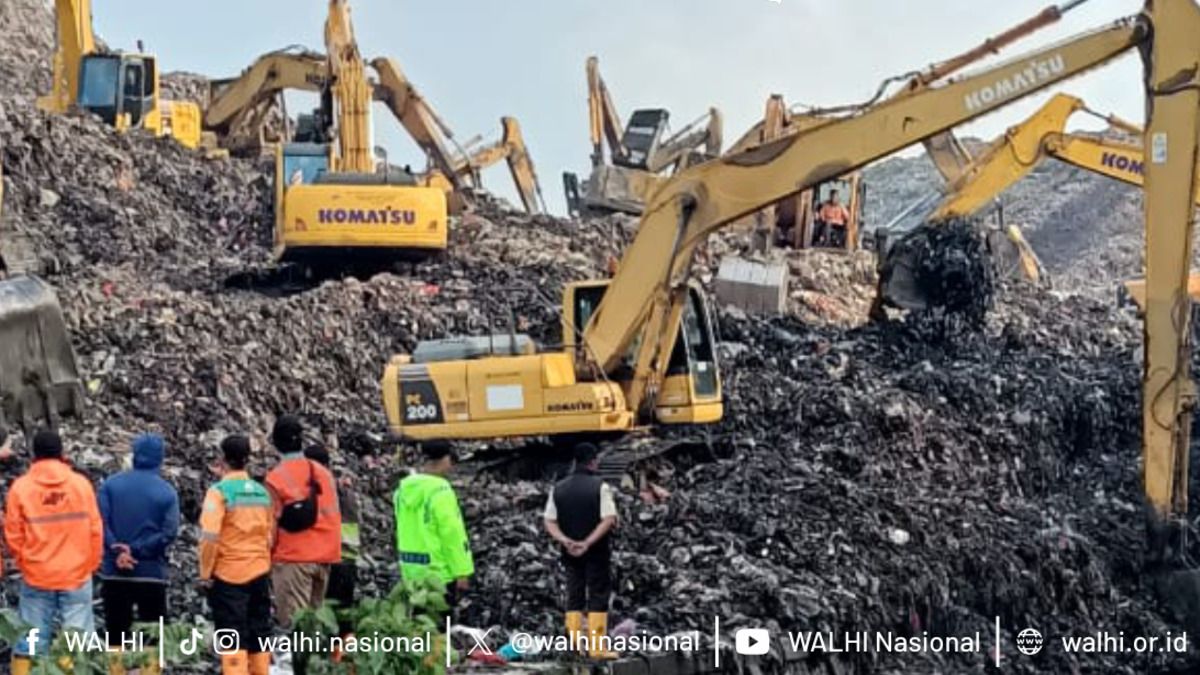
The coalition highlighted a series of intimidation cases involving individuals who had publicly criticised the government’s response to floods and landslides that devastated Aceh, North Sumatra and West Sumatra from late November.
Among the most prominent cases is that of Iqbal Damanik, Climate and Energy Campaign Manager at Greenpeace Indonesia, whose home was targeted with a chicken carcass accompanied by a handwritten threat warning him to “watch your words if you want to keep your family safe”.
Aceh-based DJ and activist Ramond Dony Adam, widely known as DJ Donny, reported receiving a similar threatening delivery.
Political commentator Sherly Annavita said she experienced escalating harassment, including threatening messages, vandalism of her vehicle, and rotten eggs thrown at her home after she spoke publicly about conditions faced by disaster-affected communities.
The joint statement also named other social media commentators, including Virdian Aurellio and the account @pitengz_oposipit, who reported intimidation after voicing criticism of the authorities.
Attempts to discredit victims
According to the coalition, the intimidation has been compounded by online campaigns portraying the victims as exaggerating or fabricating the threats.
These narratives, often amplified by political “buzzers”, were described as further evidence of a state-aligned effort to normalise repression.
“This twisting of reality shows a regime that sides with oppression,” the statement said, warning that public denial of intimidation enables impunity and discourages others from speaking out.
A familiar pattern of repression
The coalition drew parallels with earlier periods of intimidation against human rights defenders, including incidents preceding the passage of controversial security-related legislation.
In those cases, activists reported being followed, having their offices monitored, their movements obstructed, and receiving threats via phone and messaging applications.
“These attacks reveal two fundamental failures of the state,” the statement said.
“First, the failure to prevent and punish terror and intimidation. Second, the failure to listen to citizens’ critical voices, particularly regarding disaster response.”
Many of the individuals targeted, the coalition noted, were among those highlighting what they described as the government’s slow and inadequate handling of the Sumatra disaster, which has killed more than 1,100 people and displaced hundreds of thousands.
“Citizens must protect one another”
Rather than framing the statement as a set of demands to the authorities, the coalition said it had chosen a different approach.
Signatories expressed scepticism that formal pressure would be effective under what they described as an increasingly arrogant and hostile administration.
Instead, the statement calls for solidarity among the public. “Once again, citizens must protect one another,” it said, urging Indonesians to stand with those facing intimidation for expressing concern about governance, disaster response and human rights.
The coalition argued that criticism voiced by activists and influencers reflects solidarity with disaster survivors who continue to struggle with limited access to aid and recovery support weeks after the floods.
Democratic space under strain
The statement situates the intimidation within a broader context of shrinking civic space, citing pressure on the media, attempts to control public narratives, and rhetoric dismissive of criticism. These trends, the coalition warned, risk undermining public participation and accountability.
“Terror and intimidation must not be seen as isolated acts,” the statement said. “They are deliberate efforts to silence criticism and perpetuate injustice.”
Despite the threats, the coalition pledged to continue speaking out across platforms and supporting disaster-affected communities. It reiterated calls for transparency, accountability and the declaration of a national disaster status in Sumatra.
“Solidarity among citizens,” the statement concluded, “is the clearest proof that democracy endures not because of power, but because people refuse to be silenced.”