Sumatra floods and landslides kill 1,177 as intimidation of disaster critics raises alarm
Indonesia’s disaster agency says at least 1,177 people have died in floods and landslides across Sumatra, with 148 still missing. As recovery lags, rights groups warn intimidation of critics risks undermining accountability.
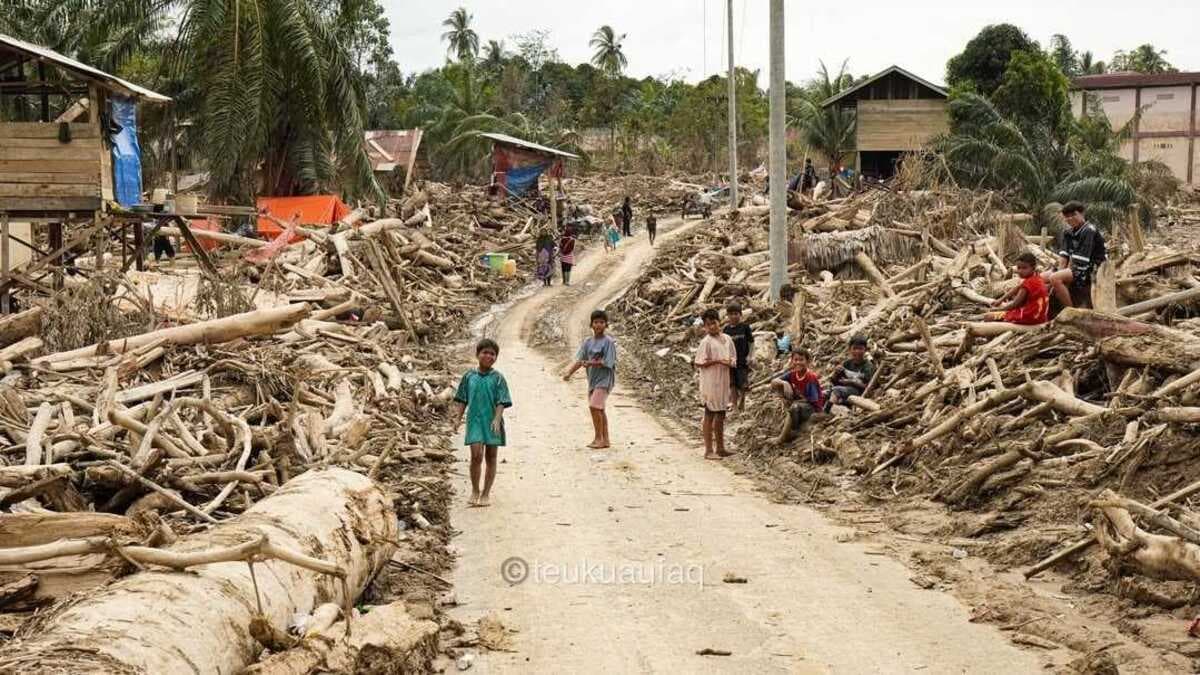
- The death toll from floods and landslides across Sumatra has risen to 1,177, with 148 people still missing as of 5 January 2026.
- Aceh recorded the highest fatalities, while West Sumatra has the largest number of missing persons amid widespread housing destruction.
- Rising casualties have intensified criticism of disaster mitigation failures and concerns over intimidation of critics and shrinking civic space.
Indonesia: The death toll from devastating floods and landslides that swept across Sumatra at the end of November 2025 has risen to 1,177 people, according to the latest data released by Indonesia’s Badan Nasional Penanggulangan Bencana (BNPB).
As of Monday, 5 January 2026, BNPB said at least 148 people remain missing across three provinces — Aceh, North Sumatra and West Sumatra — more than five weeks after the disaster struck dozens of districts and overwhelmed local response capacity.
Aceh recorded the highest number of fatalities, with 543 deaths and 31 people still unaccounted for.
North Sumatra reported 370 deaths and 43 missing, while West Sumatra recorded 264 deaths, alongside the largest number of missing persons at 74.
Massive destruction across three provinces
The scale of physical damage has continued to mount.
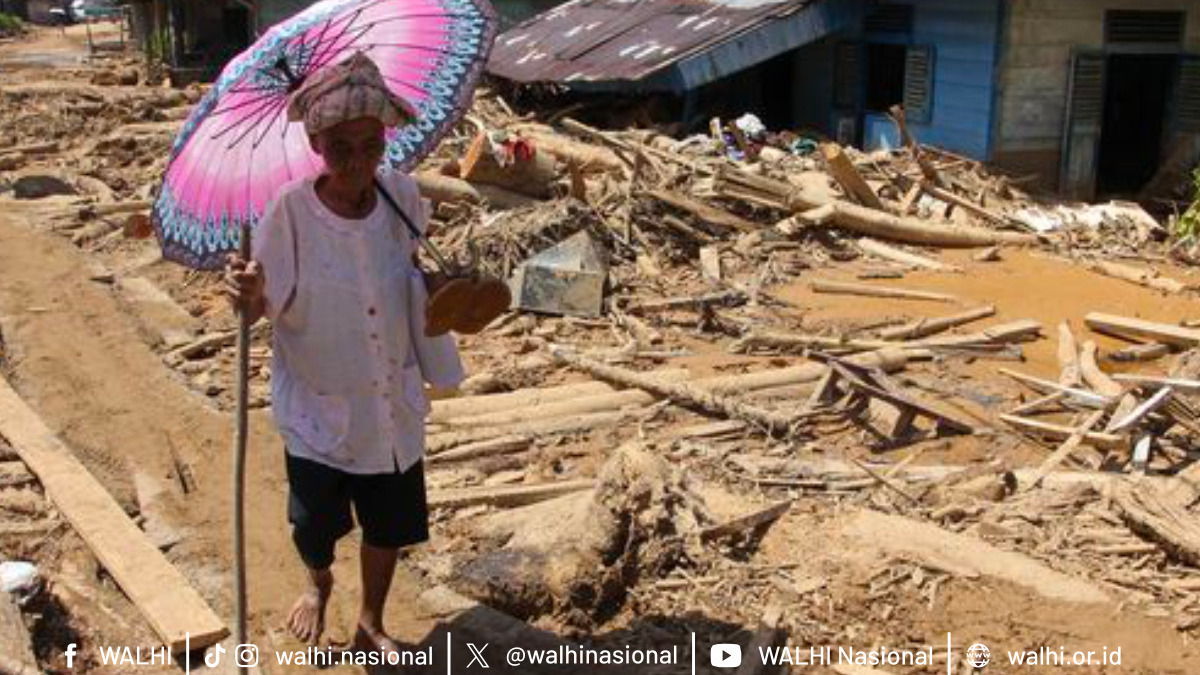
BNPB data show that 178,479 houses were damaged across the three provinces. Of these, 52,303 homes were severely damaged, 43,933 moderately damaged, and 82,243 lightly damaged.
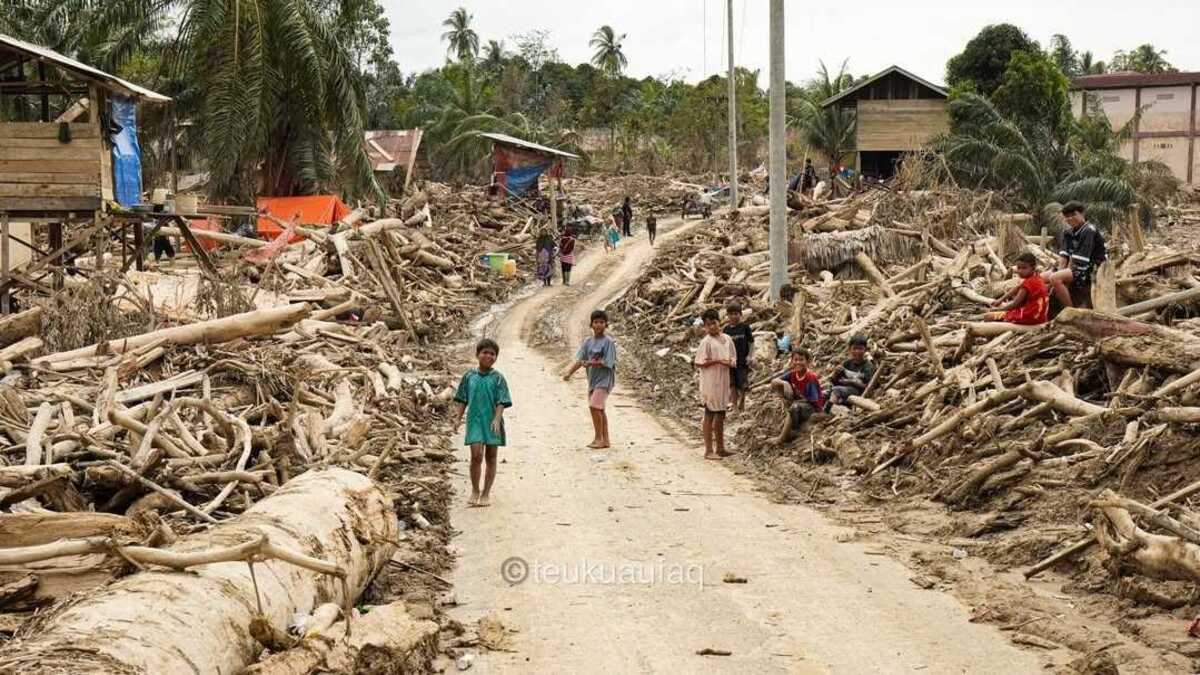
Entire neighbourhoods were swept away by flash floods and landslides triggered by days of intense rainfall in late November, affecting 52 regencies and cities.
Thousands of families remain displaced, many living in temporary shelters or with relatives as recovery efforts struggle to keep pace with the devastation.
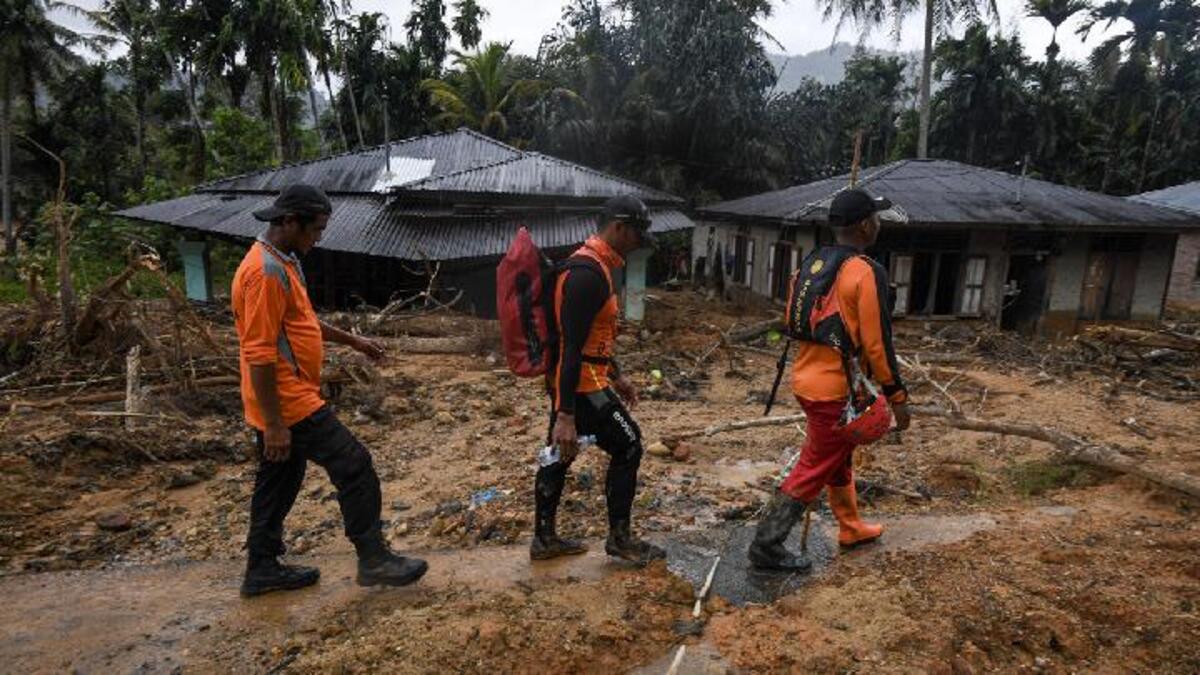
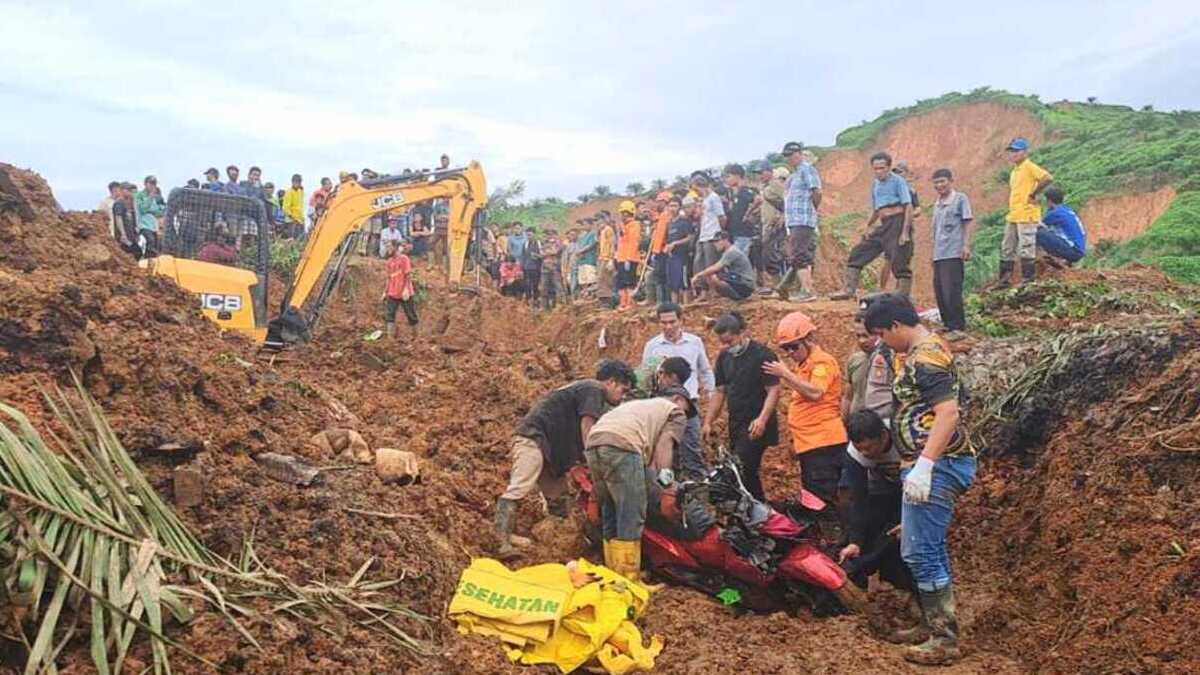
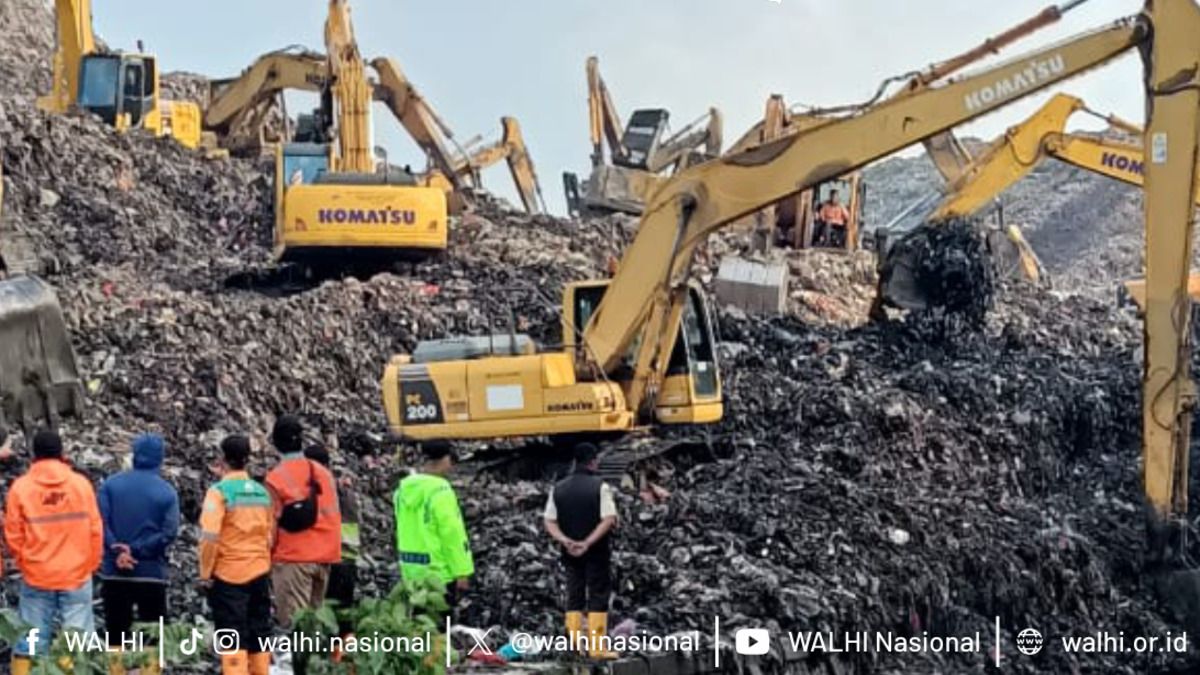
Emergency responders continue search-and-rescue operations in several hard-to-reach areas, particularly in West Sumatra, where steep terrain and unstable soil conditions have complicated efforts to locate those still missing.
A disaster rooted in environmental vulnerability
The Sumatra disaster is among the deadliest ecological crises to hit Indonesia in recent years.
Environmental groups and disaster experts have repeatedly warned that extreme rainfall, combined with deforestation, land-use change and weakened watershed protection, has heightened the region’s vulnerability to flash floods and landslides.
Civil-society organisations argue that the rising casualty figures underscore long-standing failures in disaster mitigation, spatial planning and environmental governance.
Calls for the government to declare the catastrophe a national disaster have intensified, particularly as the death toll continues to rise weeks after the initial floods.
Criticism met with intimidation
As scrutiny of the state response has grown, so too have concerns about intimidation against those who speak out.
Greenpeace Indonesia recently condemned what it described as a deliberate act of terror against its Climate and Energy Campaign Manager, Iqbal Damanik, after a chicken carcass bearing a written threat was delivered to his home in the early hours of the morning.
The threat — warning him to “watch your words if you want to keep your family safe” — followed weeks of public criticism by Greenpeace campaigners over the government’s handling of the disaster and its environmental roots.
Similar acts of intimidation have been reported by Aceh-based musicians, influencers and activists who have criticised disaster response efforts or highlighted conditions faced by survivors. In several cases, the threats included vandalism, anonymous messages and symbolic acts intended to instil fear.
Greenpeace Indonesia said the incidents form part of a broader pattern aimed at silencing critics at a time when public scrutiny is most needed.
Rising death toll deepens democratic concerns
The intimidation has unfolded as casualty figures continue to climb, reinforcing fears among rights groups that civic space is narrowing amid the humanitarian crisis.
According to BNPB, earlier data at the end of December recorded around 1,141 deaths; the updated figure of 1,177 fatalities reflects the discovery of additional bodies and confirmation of missing persons who did not survive.
Human-rights advocates warn that attempts to suppress criticism risk obscuring the true scale of suffering on the ground, delaying accountability and undermining efforts to prevent similar disasters in the future.
“Public criticism is not a threat,” Greenpeace Indonesia said in a statement. “It is a necessary part of democracy — especially when hundreds of thousands of people have lost their homes and more than a thousand lives have been lost.”Recovery far from complete
With 148 people still missing and tens of thousands of homes destroyed, recovery in Aceh, North Sumatra and West Sumatra remains slow and uneven.
Survivors continue to face shortages of clean water, adequate shelter and access to health services, while damaged roads and bridges hamper aid delivery.