Amnesty warns Indonesia saw worst human rights decline since 1998 amid repression and ecological crisis
Amnesty International Indonesia says 2025 marked the country’s most severe human rights deterioration since 1998, citing repression, inequality and an ecological disaster driven by deforestation-led development policies.
- Amnesty International Indonesia described 2025 as the worst year for human rights since 1998, citing repression, inequality and ecological disaster.
- Thousands were arrested or injured during protests, while activists, journalists and Indigenous communities faced escalating attacks.
- Amnesty warned that deforestation-led development and expanded military power threaten further humanitarian crises in 2026.
Indonesia suffered its most severe human rights deterioration since the fall of authoritarian rule in 1998, according to a year-end report released on Monday (29 December 2025) by Amnesty International Indonesia.
The organisation described 2025 as a “national human rights catastrophe”, marked by state violence, shrinking civic space, deepening socio-economic inequality and a devastating ecological crisis driven by deforestation-led development policies.
The report concludes that from January to December 2025, Indonesia moved steadily away from its constitutional commitment to social justice, as economic growth was prioritised over human rights, environmental protection and public participation. Indigenous communities, activists, journalists and protesters were among the hardest hit.
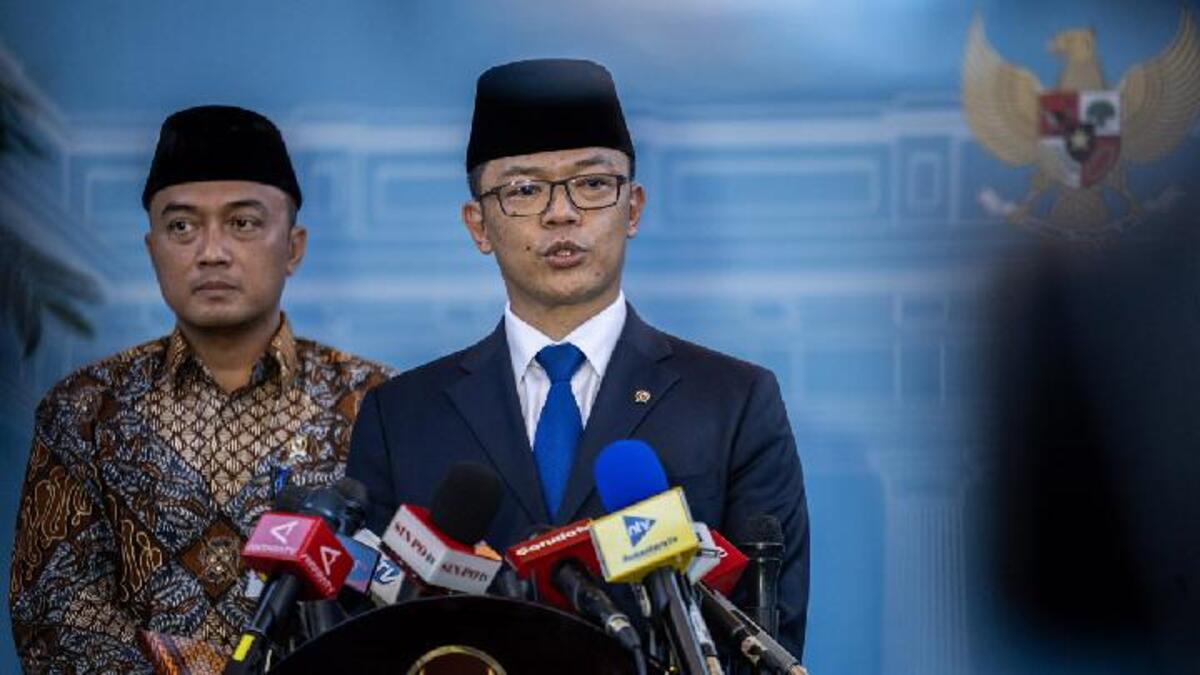
“This year ended with a very poor response to ecological disasters in Sumatra, exposing the government’s inability to handle a humanitarian crisis and revealing a repressive character, including military violence in Aceh,” said Usman Hamid, executive director of Amnesty International Indonesia.
Escalating repression and state violence
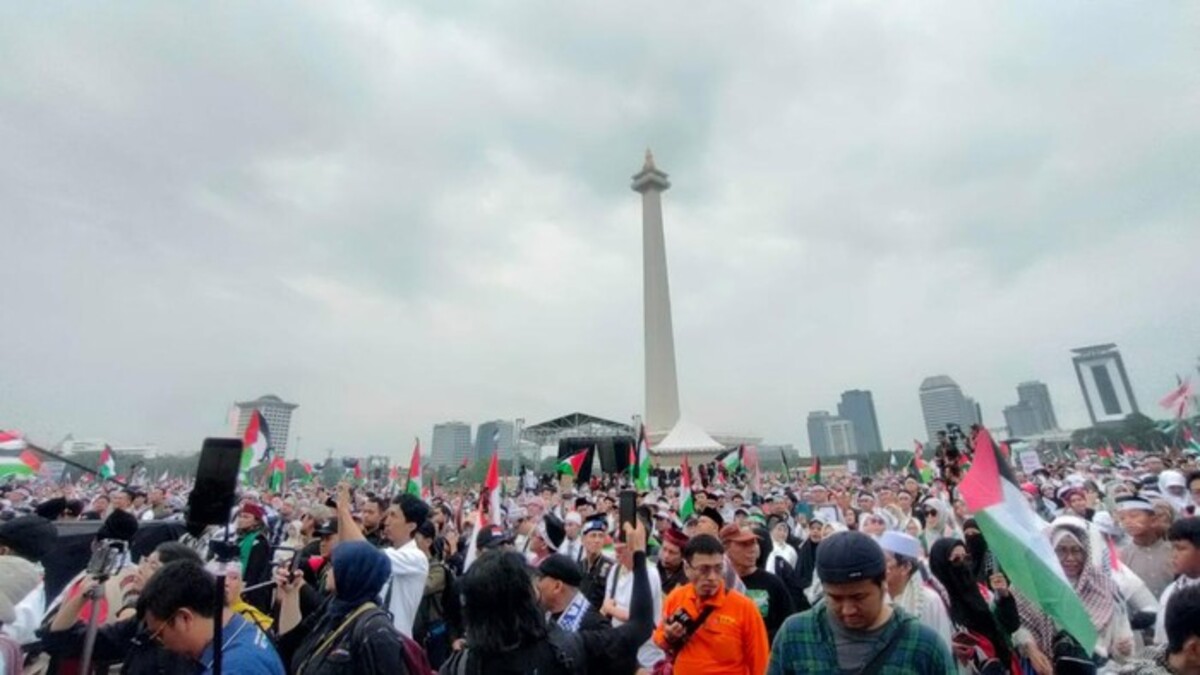
Amnesty documented widespread violations of civil and political rights throughout the year, particularly during waves of public protests against tax increases, labour policies, National Strategic Projects (PSN), and controversial legal reforms, including revisions to the Indonesian National Armed Forces (TNI) Law and the Criminal Procedure Code (KUHAP).
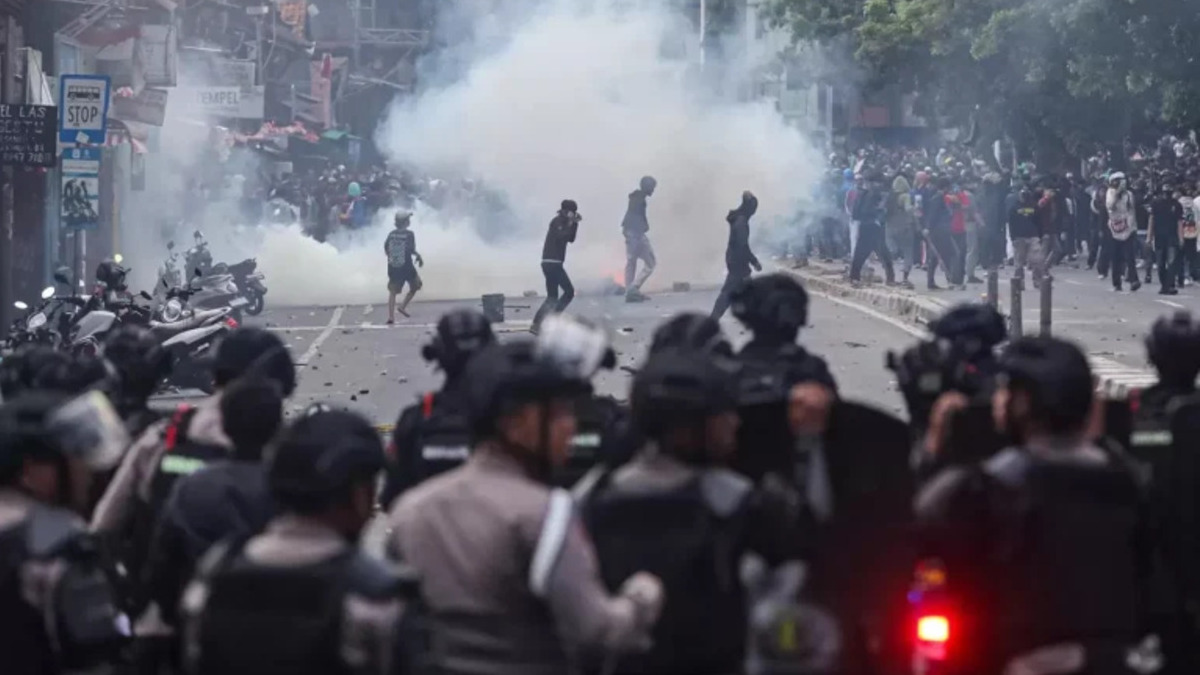
Rather than engaging with public grievances over mass layoffs, austerity measures and a slowing economy, authorities marginalised public participation and responded with force. Security personnel carried out mass arrests, dispersed demonstrations with tear gas and detained protesters, Amnesty said.
According to the report, at least 5,538 people were arbitrarily arrested, injured by tear gas or subjected to torture simply for taking part in demonstrations in 2025.
Amnesty also raised concerns over the use of tear gas grenades containing explosive materials during protests in late August, which could cause permanent disabilities.
Instead of accountability, the National Police issued Regulation No. 4/2025, loosening restrictions on the use of firearms.
Protesters were stigmatised as “anarchists”, “provocateurs” or “terrorists”, while several activists — including Delpedro, Muzaffar, Syahdan Husein and Khariq Anhar — were prosecuted.
“This is a classic tactic to silence criticism,” Usman said. “Those who speak out are criminalised, while the state avoids investigating who actually instigated violence.”
Targeting activists, journalists and Indigenous communities
Amnesty recorded 283 attacks against human rights defenders in 2025, ranging from arrests and criminal charges to intimidation and attempted killings. Journalists (106 cases) and Indigenous peoples (74 cases) accounted for the majority of victims.
Among the most serious incidents were attacks on 33 members of the Sihaporas Indigenous community in Simalungun in September, leaving 34 people injured, including women and a child with disabilities.
Environmental activists were also targeted, including the arrest of Walhi and Kamisan activists Adetya Pramandira and Fathul Munif in November, and Indigenous leader Tarsisius Fendy Sesupi in West Kalimantan after he criticised deforestation linked to corporate projects.
Authorities also banned a public discussion of the book Reset Indonesia in East Java in December, followed by the alleged intimidation of participants’ vehicle in the early hours of the next morning.
“Those who defend the environment and customary lands are silenced through intimidation and criminalisation,” Usman said, calling it a systematic attempt to conceal state failure in managing natural resources fairly.
Expanding military power and erasing past abuses
The report also criticised the expansion of the military’s role beyond defence, following revisions to the TNI Law that allow greater involvement in agriculture, infrastructure projects, free school meals and civilian posts.
Amnesty warned that these changes risk reviving the military’s historical role as an instrument of repression.
Concerns were further heightened by the government’s decision to name former dictator Suharto a national hero and to rewrite official history, moves Amnesty said deny past atrocities, including the 1965–66 mass killings, the Petrus shootings of the 1980s, and the Trisakti–Semanggi shootings of 1998–99.
Growing inequality and social rights erosion
Socio-economic rights also deteriorated sharply.
Amnesty cited data from the Center of Economic and Law Studies (CELIOS) showing that the combined wealth of Indonesia’s 50 richest individuals equalled that of 50 million citizens.
Meanwhile, layoffs reached 79,000 cases by September, according to the Ministry of Manpower.
A flagship government programme, Free Nutritious Meals (MBG), intended to address child nutrition, turned into a public health scandal after mass food poisoning incidents affected at least 11,000 children, with civil society groups reporting even higher numbers.
“The rushed implementation of MBG without adequate safeguards reflects authoritarian policymaking,” Usman said, urging a comprehensive evaluation of the programme.
Ecological disaster in Sumatra
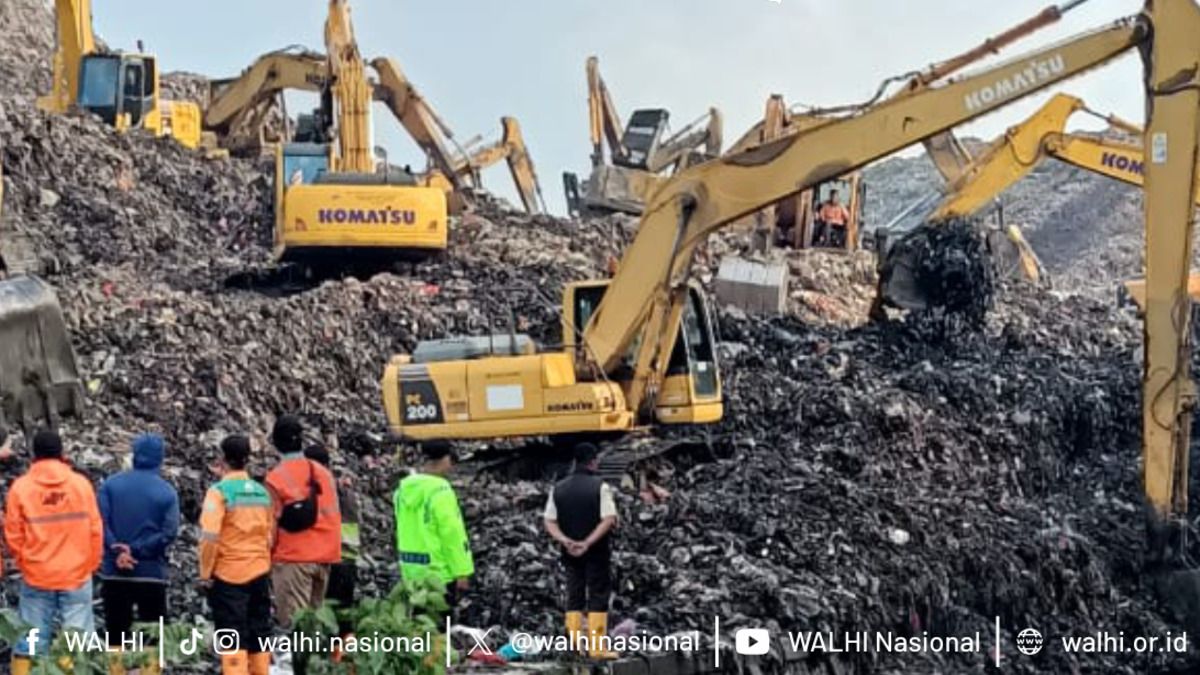
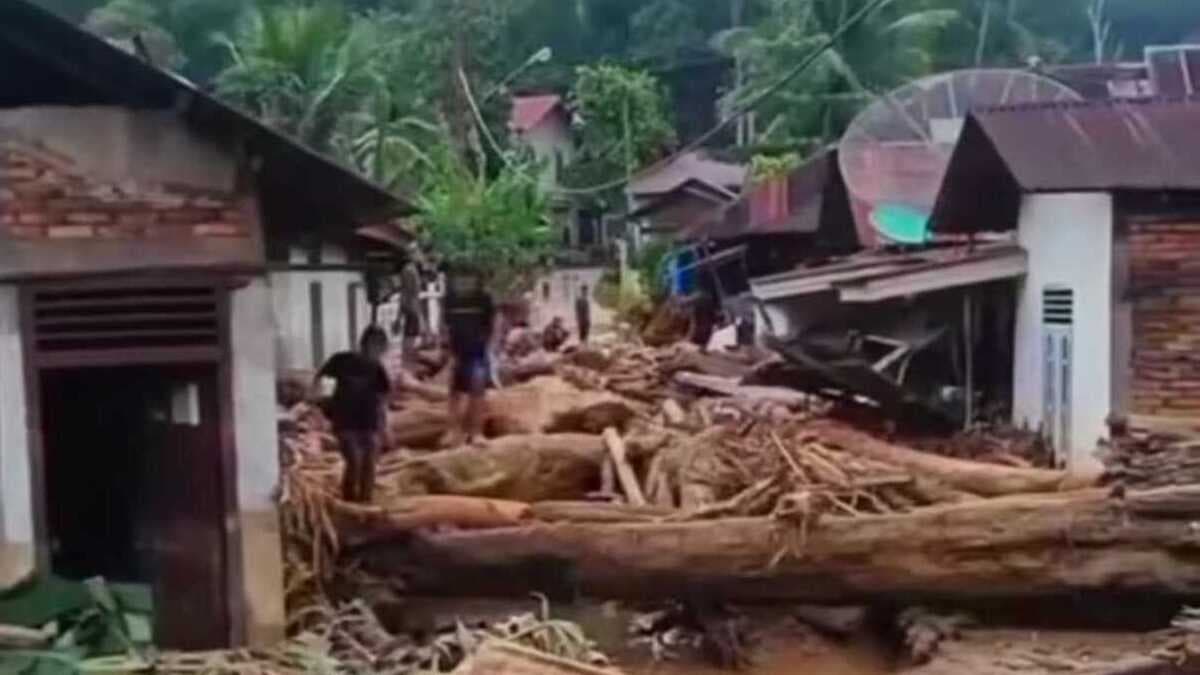
The year ended with one of Indonesia’s worst ecological disasters in decades. Flash floods and landslides in Sumatra killed more than 1,000 people, injured over 7,000, left 192 missing, damaged nearly 147,000 homes and displaced close to half a million residents, according to the National Disaster Management Agency (BNPB).
Amnesty stressed that the catastrophe was not natural, but the result of long-term deforestation policies.
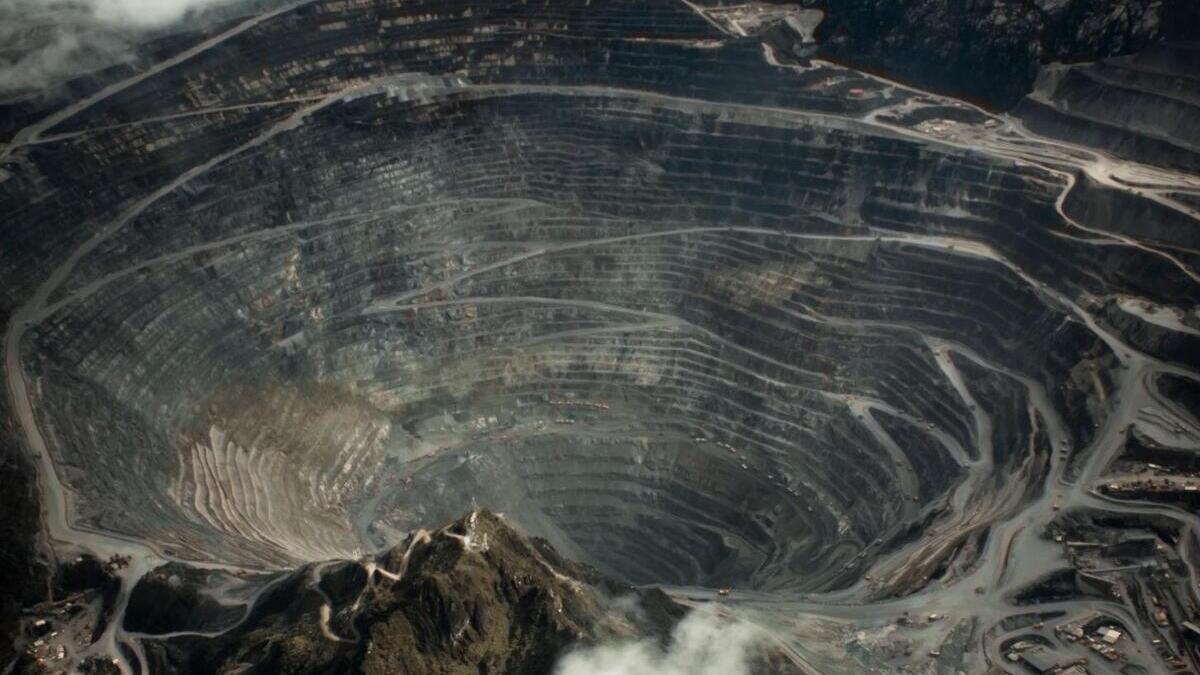
The Indonesian Forum for the Environment (Walhi) recorded 1.4 million hectares of forest loss in Aceh, North Sumatra and West Sumatra since 2016, driven by 631 companies operating across multiple sectors.
Warnings from the Meteorology Climatology and Geophysics Agency (BMKG) were ignored, Amnesty said, while the government declined international aid and refused to declare the disaster a national emergency. Journalists covering the crisis reported intimidation, censorship and broadcast suspensions.
Amnesty also cited controversial statements by officials, including downplaying the disaster and dismissing flood debris as “rotten wood”, as evidence of a lack of empathy.
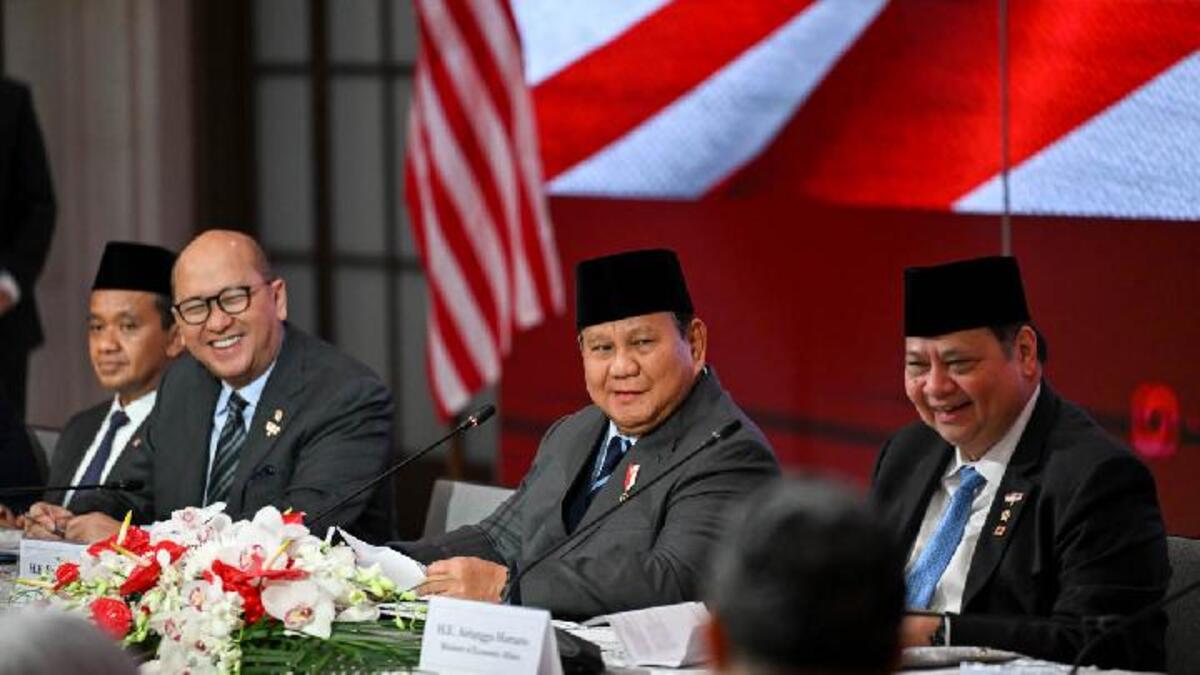
President Prabowo Subianto had previously dismissed concerns over deforestation, saying Indonesia should not fear forest clearance to expand oil palm plantations, a stance Amnesty says continues to endanger lives.
“This ecological catastrophe stems from pro-deforestation policies, state negligence and repression,” Usman said. “If these policies persist, similar disasters will recur.”
A warning for 2026
Amnesty concluded that unless Indonesia halts deforestation-based development and restores respect for human rights, ecological and humanitarian catastrophes could continue into 2026.
“Indonesia’s forests — among the largest remaining in the world — must not be sacrificed for short-term economic gain,” Usman said.
“Without change, the rights to life, safety and living space will remain under grave threat.”